
A Story from Morocco… How Sage Tea Changed a Girl’s Life

A Story from Morocco… How Sage Tea Changed a Girl’s Life

In the midst of all the noise we hear about herbs and natural remedies, it’s hard to know who to believe. But sometimes, a moment or a message makes you pause and think… maybe there is something that truly works—when used mindfully and with some knowledge.

A few days ago, we received a beautiful message from a Moroccan girl—let’s call her Ilham. Her message was full of joy and gratitude, and it truly made us smile from the heart. Here’s what she shared:

“Dear Dr. Riham, I wish you would share my story.

I’m from Morocco and I always follow your content. One day, I watched your video about sage herb (we call it salmiya here), and I decided to give it a try.

My period had completely stopped—it wouldn’t come unless I took medication. My prolactin level was high, and I had constant breast pain.

I tried sage for just one week, morning and evening, without any medication… and suddenly, my period came!

I was shocked and overjoyed. I felt hope again, and realized your words about herbs weren’t just talk.

The breast pain disappeared, and my period returned—thanks to God, and then to you.

I really wish I could visit your clinic, but I’m not in Egypt.

Thank you from the bottom of my heart.”

Dr. Riham El Shal, specialist in Obstetrics, Gynecology, IVF, and Infertility, reflects:

Honestly… her words touched us deeply. Not just because of the result, but because of the sincerity in her message, the faith she had inside her, and the joy she was able to share with others.

She herself asked us to share her story, so that any woman feeling hopeless might realize there’s still a chance… and that natural remedies can sometimes open doors we never expected.

To watch the video where we discussed herbs and the menstrual cycle, you can click here:

But please keep this in mind…

As doctors, we don’t just share success stories—we must also tell the full truth.

Yes, herbs can help, but we must always be cautious, because:

  • Not all herbs are suitable for everyone.
  • Anyone experiencing hormonal imbalance or irregular cycles must undergo proper testing and diagnosis.
  • Sage—or any herb—must be taken mindfully and ideally under professional guidance.

In our videos, we rely on verified information and scientific studies—not random experiments. Herbs like sage or Vitex agnus-castus (Chasteberry) have a long history in traditional medicine, but using them requires knowledge and care.

If you’re reading this and dealing with irregular cycles or fertility issues, know that your period is not just a hormonal issue—it also impacts your mental well-being and emotional balance.

When your period is delayed, anxiety increases, stress affects your body, and you enter a vicious cycle.

That’s why we share stories like these—not to place all hope in a single herb, but to remind you that there’s always hope… and that healing sometimes starts with something very simple—when approached with knowledge and the right support.

If you’re dealing with delayed conception, we’ve prepared a full course for you that includes all relevant topics, organized clearly, and backed by scientific and reliable information, to help you reach the motherhood dream you deserve:


3 طرق تعرفي بيهم إنك حامل

سؤال مهم بيتكرر كثيرًا: “يا دكتورة، الحمل بيبان بعد كام يوم من الدورة؟”

والإجابة مش واحدة لكل الناس، لكنها واضحة لو فهمنا جسمنا كويس.

تعالي نوضح إمتى نقدر نعمل اختبار حمل، وإيه الفرق بين كل نوع

أولًا: إزاي نعرف إن في حمل؟

في ثلاث وسائل أساسية تقدر تكشفي بيهم الحمل، وفقا للدكتورة ريهام الشال اخصائي طب وجراحات النساء والتوليد والحقن المجهري وتأخر الإنجاب. 

1. اختبار الحمل الرقمي في الدم (Beta HCG Digital):

بيقدر يكتشف الحمل قبل الدورة بأسبوع تقريبًا.

لكن استخدامه مش ضروري لكل الحالات، ومش بننصح بيه إلا في ظروف معينة وتحت إشراف طبي، لأنه ممكن يسبب قلق وتوتر نفسي.

2. اختبار الحمل في الدم العادي:

ممكن تعمليه بعد تأخر الدورة بيوم واحد.

دقته عالية، ونتيجته بتكون واضحة ومريحة.

3. اختبار الحمل المنزلي (اختبار البول):

الأفضل تعمليه بعد تأخر الدورة بسبعة أيام، وخصوصًا لو التبويض عندك منتظم.

سهل وسريع، لكن ممكن يطلع نتيجته غير دقيقة لو اتعمل بدري.

لمشاهدة الفيديو من هنا: https://youtu.be/jvVs7DwjN1Q?si=fBsmRW1eXMjI5TPE

ليه مهم ننتظر الوقت المناسب؟

الجسم بيحتاج وقت علشان يبدأ يفرز هرمون الحمل بنسبة واضحة، فلو استعجلنا بالاختبار، ممكن تظهر نتيجة سلبية رغم إن في حمل بالفعل.

طب لو النتيجة سلبية وحاسة بأعراض حمل؟

الموضوع مش غريب، وحصل مع بنات كتير.

في درس مهم شرحنا فيه ليه بتحسي بأعراض الحمل رغم إن نتيجة الاختبار سلبية، وشرحنا كمان الخطوة اللي المفروض تعمليها بعدها.

المتابعة في الوقت المناسب بتفرق كتير.

لو حابة تطمني:

• ممكن تعملي اختبار الدم العادي بعد تأخر الدورة بيوم.

• أو تعملي اختبار البول المنزلي بعد تأخر الدورة بأسبوع، وأنتِ هادية ومرتاحة.

• ولو لسه مش واضحة الأمور، تقدري تتابعي معانا أونلاين وناخد القرار المناسب سوا.

ولو بتاعني من تأخر الإنجاب، جمعنا لك هنا كل الموضوعات الخاصة بتأخر الحمل في دورس مفصلة بمعلومات علمية موثقة ومرتبة، علشان نساعدك توصلي لحلم الأمومة اللي تستحقيه: 

رسالة لكي من بطلات سبقوكي لتحقيق حلم أمومتهم – TBIBTY طبيبتي

A Miscalculation of Ovulation Days Led to a 3-Year Delay in Getting Pregnant

Today, we’re sharing a real-life story—one that might resemble your own, or that of a friend, sister, or relative.

It’s the story of a young woman who got married about three years ago. From the very first six months of marriage, she started dreaming of motherhood and actively trying to conceive.

Month after month, she tried all the natural methods, researched, read, asked questions, and watched videos and lessons about ovulation and the fertile window.

The Beginning: Excitement and Effort

Dr. Riham El Shal, Specialist in Obstetrics, Gynecology, IVF, and Fertility, recounts:

She started just like many women do—she heard that pregnancy is most likely to happen during specific days of the month, commonly known as the “ovulation days.”

She read that ovulation usually occurs between Day 12 and Day 16 of the menstrual cycle. This is the widely accepted average, especially for women who have regular 28-day cycles.

So she focused especially on those days, carefully planning intimacy during that window to increase her chances of getting pregnant.

But month after month, nothing changed—no pregnancy.

After the first year passed, and into the second, she began to feel anxious and decided to do some medical tests.

She consulted several doctors and went through almost every possible analysis and test. Her husband’s tests were also done—and everything came back normal.

Still, no pregnancy. The problem remained unclear.

The Mistake That Lasted 3 Years

Despite everything she had done, she remained convinced that ovulation only happens during the “known” days of the cycle—between Day 12 and Day 16.

So every month, she focused only on those days.

But when she came to our clinic, and we started tracking her ovulation closely using ultrasound, the surprise came!

The Surprise: Her Ovulation Was Happening Very Early!

Through regular ultrasound monitoring, we discovered that her ovulation was actually occurring around Day 9 of her cycle!

That means she was focusing on the wrong days—3 to 4 days after her actual ovulation had already occurred.

She thought having regular intimacy around the middle of her cycle was enough—but in reality, she was missing the fertile window every month without realizing it.

Just imagine—3 years of stress, exhaustion, expenses, and countless tests, all because of a simple miscalculation of ovulation timing.

The Important Lesson: Ovulation Isn’t the Same for Everyone

🎥 Watch the full video here: https://youtu.be/yJTJCIoCqzU?si=wXPxpJNkqbEO5e1D

Here’s what every woman needs to know:

• Ovulation days vary from one woman to another.

• It’s not necessarily going to happen on Day 14, 13, or 16.

• Every body is unique, and each menstrual cycle has its own rhythm.

Even a doctor cannot determine your ovulation day accurately without ultrasound monitoring, which allows us to examine the ovaries and uterus, measure the size of the egg, and determine the exact timing.

Sometimes, even with monitoring, we tell the patient: “Ovulation may occur between this day and that day.” We don’t always pinpoint a single exact day—unless we’re doing daily ultrasounds, which isn’t always practical or necessary in every case.

Summary of the Story:

• Accurate determination of ovulation days should be done through medical monitoring with ultrasound.

• Relying on the traditional calculation method (Day 14) can be misleading for many women.

• Every woman needs to understand her own body and its unique patterns through close observation.

• Ovulation tracking isn’t just for doctors—it’s a vital tool for any woman hoping to conceive and connect with her body effectively.

Share Your Experience—Help Someone Else

If you’re reading this article and have gone through a similar experience, we’d love to hear your story in the comments.

Your words might be the reason someone else learns something new—and saves years of effort by avoiding the same mistake.

This lesson was written in response to your questions sent through our comments and Facebook messages.

We’ll continue selecting your most important questions and answering them with detailed, simple lessons.

And if you’re struggling with infertility, we’ve collected all our scientific, well-structured content about delayed conception in one place to support your journey to the motherhood you truly deserve:

ما الفرق بين ضعف التبويض وضعف مخزون التبويض؟

سؤال مهم بيتكرر كثيرًا من البنات والسيدات اللي بيدوروا على فهم أدق لجسمهم وصحتهم الإنجابية، وبيجينا دايمًا بصيغة:

“يا دكتورة، هو إيه الفرق بين ضعف التبويض وضعف مخزون التبويض؟”

النهاردة هنشرح الفرق بشكل واضح وبسيط، ومن غير أي تعقيد.

يلا جهزي ورقة وقلم لأن الكلام اللي هيتقال مهم جدًا، وممكن يغيّر نظرتك تمامًا لموضوع التبويض والخصوبة.

أنا معاكم، دكتورة ريهام الشال، أخصائي طب وجراحة النساء والتوليد وتأخر الإنجاب والحقن المجهري، وإحنا النهاردة مع بعض في “طبيبتي قالتلكم” — عيلتكم الكبيرة اللي بتهتم بصحتكم دايمًا.

نبدأ من الأول: يعني إيه مخزون التبويض؟

تخيلي إن عندك “فريزر” كبير في بيتك، مليان أكل وخير.

الفريزر ده هو مثال بسيط على مخزون التبويض اللي بتتولدي بيه.

أنتِ بتتولدي بعدد معين من البويضات، ومع الوقت العدد ده بيقل تدريجيًا.

لكن، عكس الفريزر الحقيقي، مخزون التبويض لما يفضى مش بيتملّي تاني.

يعني المخزون ده بيتأثر بالزمن وبالظروف اللي بيمر بيها الجسم.

اللي لازم نفهمه كويس إن المخزون شيء ثابت من ساعة ولادتنا، وبيقل مع الزمن أو نتيجة ظروف صحية معيّنة.

وده مش موضوعنا الأساسي النهاردة، بس مهم نكون فاهمينه علشان نكمّل الشرح.

لمشاهدة الفيديو من هنا: https://youtu.be/B17GQH8szi8?si=_tra2U6uI9T_Uopa

طيب، وإيه بقى هو ضعف التبويض؟

لو الفريزر اللي اتكلمنا عنه مليان أكل، هل ده معناه إن كل أكله طازج وجاهز للأكل؟

أكيد لأ. ممكن يكون الأكل قديم، أو مش بجودة كويسة. وممكن كمان نكون مش عارفين نطلّع الأكل ده من الفريزر أساسًا.

نفس الفكرة بالضبط في التبويض.

ضعف التبويض معناه إن المبيض مش قادر يطلّع بويضات بانتظام أو بكفاءة.

يعني ممكن المخزون يكون موجود، لكن التبويض نفسه ضعيف، أو بيحصل على فترات متباعدة، أو بيطلع بويضات غير ناضجة أو بجودة ضعيفة.

مثال يوضح الفرق:

الفريزر مليان = عندك مخزون تبويض جيد

بس مش عارفين نطلّع الأكل = ضعف في التبويض

بنطلّع أكل بجودة سيئة = ضعف جودة البويضات

الفريزر فاضي أصلاً = ضعف أو نفاد في مخزون التبويض

هل المثال واضح؟

كده نكون وضّحنا ببساطة الفرق الجوهري بين ضعف التبويض وضعف مخزون التبويض.

وافتكري دايمًا إن ضعف المخزون حاجة بتحتاج تصرف سريع، لأنها مسألة وقت، والمخزون كل ما الوقت عدى بيقل.

أما ضعف التبويض، فمش دايمًا مرتبط بالوقت، وممكن يكون موجود حتى عند بنات صغيرين، وده بيتوقف على عوامل تانية زي اضطرابات هرمونية أو مشاكل في وظائف المبيض.

طيب، ليه الموضوع ده مهم؟

لأن القرار الطبي في الحالتين مختلف تمامًا.

• في حالة ضعف مخزون التبويض، لازم نتحرك بسرعة علشان نحافظ على أي فرصة متاحة للإنجاب قبل ما الوقت يفوت.

• أما في حالة ضعف التبويض، ممكن نشتغل على تنظيم الدورة وتحفيز التبويض وتحسين جودة البويضات.

وفي نقطة مهمة جدًا حابة أقولها:

في دول كتير بره، قسموا تخصص النساء إلى قسمين:

١. تخصص النساء والولادة

٢. وتخصص الخصوبة وتأخر الإنجاب

وده لأن كل مجال فيهم له خصوصيته وقراراته الدقيقة.

وعشان كده، لما تروحي لدكتور، لازم يكون متخصص في تأخر الإنجاب أو عنده خبرة حقيقية في التعامل مع حالات ضعف المخزون أو التبويض، مش بس أي دكتور نساء وتوليد.

لأن القرار الغلط أو التأخير ممكن يضيع فرص حقيقية تكوني أم بسببها في يوم من الأيام.

ولو بتاعني من تأخر الإنجاب، جمعنا لك هنا كل الموضوعات الخاصة بتأخر الحمل في دورس مفصلة بمعلومات علمية موثقة ومرتبة، علشان نساعدك توصلي لحلم الأمومة اللي تستحقيه: 

رسالة لكي من بطلات سبقوكي لتحقيق حلم أمومتهم – TBIBTY طبيبتي

خطأ في حساب أيام التبويض تسبب في تأخر الحمل لمدة 3 سنوات

النهاردة هنشارك معاكم قصة حقيقية، ممكن تكون شبه قصة حد منكم أو من قريباتكم أو صديقاتكم.

قصة بنت اتجوزت من حوالي 3 سنين، ومن أول 6 شهور جواز بدأت تتمنى وتدور على الحمل.

ومع كل شهر يعدي، كانت بتحاول بكل الطرق الطبيعية المعروفة، وتبحث عن الأسباب، وتقرأ وتسأل وتتابع فيديوهات ودروس عن التبويض وأيامه.

البداية… حماس ومحاولات

تروي دكتورة ريهام الشال اخصائي طب وجراحات النساء والتوليد والحقن المجهري وتأخر الإنجاب، هي بدأت زي كتير من البنات، سمعت إن الحمل مرتبط بأيام معينة في الشهر، واسمها “أيام التبويض”.

وقرأت إن أيام التبويض بتكون تقريبًا ما بين اليوم 12 لليوم 16 من بداية الدورة الشهرية، وده الرقم الشائع عند أغلب البنات والستات، خصوصًا لو الدورة منتظمة كل 28 يوم.

فبدأت تركز على الأيام دي بالذات، وتخطط للعلاقة الزوجية فيها علشان تكون فرص الحمل أعلى.

لكن للأسف، شهر ورا شهر، مفيش جديد، والحمل ماحصلش.

عدّت السنة الأولى، والسنة التانية بدأت تِحس بالقلق، وقررت تعمل فحوصات وتحاليل.

اتجهت لدكاترة، وعملت تقريبًا كل التحاليل اللي ممكن تتعمل، وتحاليل زوجها كمان اتعملت وكانت كويسة.

بس الحمل برضو ما حصلش، والمشكلة لسه مش واضحة.

الخطأ اللي استمر 3 سنوات

رغم كل اللي عملته، فضلت مقتنعة إن التبويض بيحصل في الأيام “المعروفة” من الدورة، من اليوم 12 لليوم 16.

وكانت دي الأيام اللي بتركز عليها كل شهر.

لكن لما جت لنا في العيادة، وبدأنا نتابع معاها التبويض بشكل دقيق، حصلت المفاجأة!

المفاجأة… تبويضها بيحصل بدري جدًا!

عن طريق المتابعة بالسونار، عرفنا إن التبويض عندها بيحصل تقريبًا في اليوم التاسع من الدورة!

يعني قبل الأيام اللي كانت بتركز فيها على العلاقة، وقبل الأيام “المتوقعة” بأكتر من 3 أو 4 أيام!

اللي حصل إنها كانت بتفتكر إن علاقتها المنتظمة في منتصف الدورة كفاية، لكنها كانت بتفوت فعليًا فرصة الحمل كل شهر، لأن التبويض كان بيحصل بدري، وهي مش مركزة عليه.

تخيلي 3 سنين من القلق والتعب والمصاريف والتحاليل، وكل ده علشان خطأ بسيط في حساب أيام التبويض!

الدرس المهم: التبويض مش ثابت عند كل البنات

لمشاهدة الفيديو من هنا: https://youtu.be/yJTJCIoCqzU?si=wXPxpJNkqbEO5e1D

ده اللي لازم كل بنت وكل ست تعرفه:

أيام التبويض مش واحدة عند الكل.

مش شرط يحصل في اليوم 14 أو 13 أو 16.

كل جسم ليه طبيعته، وكل دورة شهرية ليها حسابها.

وحتى الدكتور ما يقدرش يحدد بدقة أيام التبويض إلا من خلال متابعة التبويض بالسونار، واللي بنعمل فيها فحص على المبيضين والرحم ونقيس حجم البويضة ونشوف التوقيت الأدق.

وأوقات حتى في المتابعة بنقول للمريضة: “ممكن التبويض يحصل ما بين اليوم كذا لليوم كذا”، مش بنحدد يوم بعينه، إلا لو عملنا سونار يومي – وده مش بيحصل دايمًا في كل الحالات.

خلاصة القصة:

معرفة أيام التبويض بدقة لازم تكون عن طريق متابعة طبية بالسونار.

الاعتماد على الحساب التقليدي (اليوم 14 من الدورة) ممكن يكون مضلل لكثير من الحالات.

كل واحدة لازم تعرف جسمها وطبيعته من خلال متابعة دقيقة.

متابعة التبويض مش بس للأطباء، لكنها وسيلة لكل زوجة تتمنى الحمل إنها تفهم جسمها وتتفاعل معاه صح.

شاركي تجربتك… وافيدي غيرك

لو بتقري المقال ده، وكنتي في نفس الموقف أو عديتي بتجربة مشابهة، احكي لنا في التعليقات.

وممكن تكون كلمتك سبب إن واحدة تانية تعرف حاجة جديدة، وتكسب وقت بدل ما تضيع سنين في الطريق الغلط.

الدرس ده اتكتب بناءً على أسئلتكم اللي بعتوها لينا في التعليقات وعلى رسائل صفحة الفيسبوك، وهنفضل دايمًا نختار أسئلتكم المهمة ونحاول نجاوب عليها بدروس مفصلة وبلغة بسيطة.

ولو بتاعني من تأخر الإنجاب، جمعنا لك هنا كل الموضوعات الخاصة بتأخر الحمل في دورس مفصلة بمعلومات علمية موثقة ومرتبة، علشان نساعدك توصلي لحلم الأمومة اللي تستحقيه: 

رسالة لكي من بطلات سبقوكي لتحقيق حلم أمومتهم – TBIBTY طبيبتي

قصة من المغرب… إزاي غيّرت المرمرية حياة بنت؟

في وسط الزحمة اللي بنسمعها عن الأعشاب والطب الطبيعي، بنبقى مش عارفين نصدق مين ونكذّب مين. بس ساعات، بيجيك موقف أو رسالة تخليك توقف، وتفكري… يمكن في حاجة فعلاً بتشتغل! بس بشرط: لما نستخدمها بوعي، ومع شوية علم.

جاتلنا من كام يوم رسالة جميلة من بنت مغربية – نِسميها إلهام – رسالتها كلها فرحة وامتنان، وفعلاً خلتنا نبتسم من قلبنا. وده كان مضمونها:

“يا دكتورة ريهام، نفسي تحكي قصتي.

أنا من المغرب، وبتابعك دايمًا. شفت مرة فيديو ليكي عن عشبة المرمرية (إحنا هنا بنسميها السلّمية)، وقررت أجرب.

أنا دورتي كانت مقطوعة تمامًا، ما بتنزلش غير بالأدوية، وهرمون الحليب كان عالي وبيخليني حاسة بألم دائم في صدري.

جربت المرمرية لمدة أسبوع بس، صباح ومسا، ومن غير أي دوا… فجأة الدورة نزلت!

كنت مصدومة وفرحانة، حسيت إن في أمل، وإن كلامك عن الأعشاب مش مجرد كلام.

الألم في صدري اختفى، والدورة رجعت بفضل ربنا ثم فضلك.

نفسي أجيلك في العيادة، بس أنا مش في مصر.

شكرا ليكي من قلبي”

وتعلق دكتورة ريهام الشال اخصائي طب وجراحات النساء والتوليد والحقن المجهري وتأخر الإنجاب، يعني بصراحة… الكلام لمسنا جدًا. مش بس عشان النتيجة، لكن عشان الصدق اللي في رسالتها، والإيمان اللي كان جواها، والفرحة اللي قدرت توصلها لغيرها.

وهي بنفسها طلبت إننا نشارك قصتها، علشان كل بنت حاسة بالإحباط تعرف إن في أمل… وإن فيه حلول طبيعية ممكن تفتح أبواب ما كناش متخيلينها.

لو حابة تشوفي الفيديو اللي اتكلمنا فيه عن الأعشاب والدورة، تفضلي هنا:

لكن خدي بالك…

إحنا كأطباء، مش بس بننقل قصص نجاح، لازم كمان نقول الحقيقة الكاملة.

آه، الأعشاب ممكن تساعد، بس لازم دايمًا نكون حذرين، علشان:

• مش كل الأعشاب مناسبة لكل الناس.

• اللي عندها خلل هرموني أو تأخر دورة لازم تعمل تحليل وتشخيص مظبوط.

• المرمرية وأي عشبة لازم تتاخد بوعي وتحت إشراف.

في فيديوهاتنا، بنعتمد على معلومات موثوقة ودراسات، مش مجرد تجارب عشوائية. المرمرية، كف مريم، وغيرهم، ليهم تاريخ في الطب الشعبي… بس استخدامهم محتاج علم وحذر.

ولو إنتي بتقري الكلام ده وبتعاني من اضطراب في الدورة أو تأخر الحمل، اعرفي إن الدورة المنتظمة مش بس موضوع هرمونات، ده كمان بيأثر على نفسيتك وتوازنك كله.

لما الدورة تتأخر، القلق بيزيد، والتوتر بيأثر على جسمك… ويدخلك في دايرة مالهاش آخر.

وعشان كده، القصص دي مش بنقولها علشان نعلّق أملنا في عشبة، لكن علشان نفتكر إن في دايمًا أمل… وإن الشفاء ساعات بيبدأ من حاجة بسيطة جدًا، لما نمشي وراها بعلم ونطلب المساعدة الصح.

ولو بتعاني من تأخر الإنجاب، عملنالك هنا كورس شامل فيه كل المواضيع، متقسم بشكل مرتب، وبمعلومات علمية موثقة، علشان توصلي لحلم الأمومة اللي تستحقيه:

رسالة لكي من بطلات سبقوكي لتحقيق حلم أمومتهم – TBIBTY طبيبتي

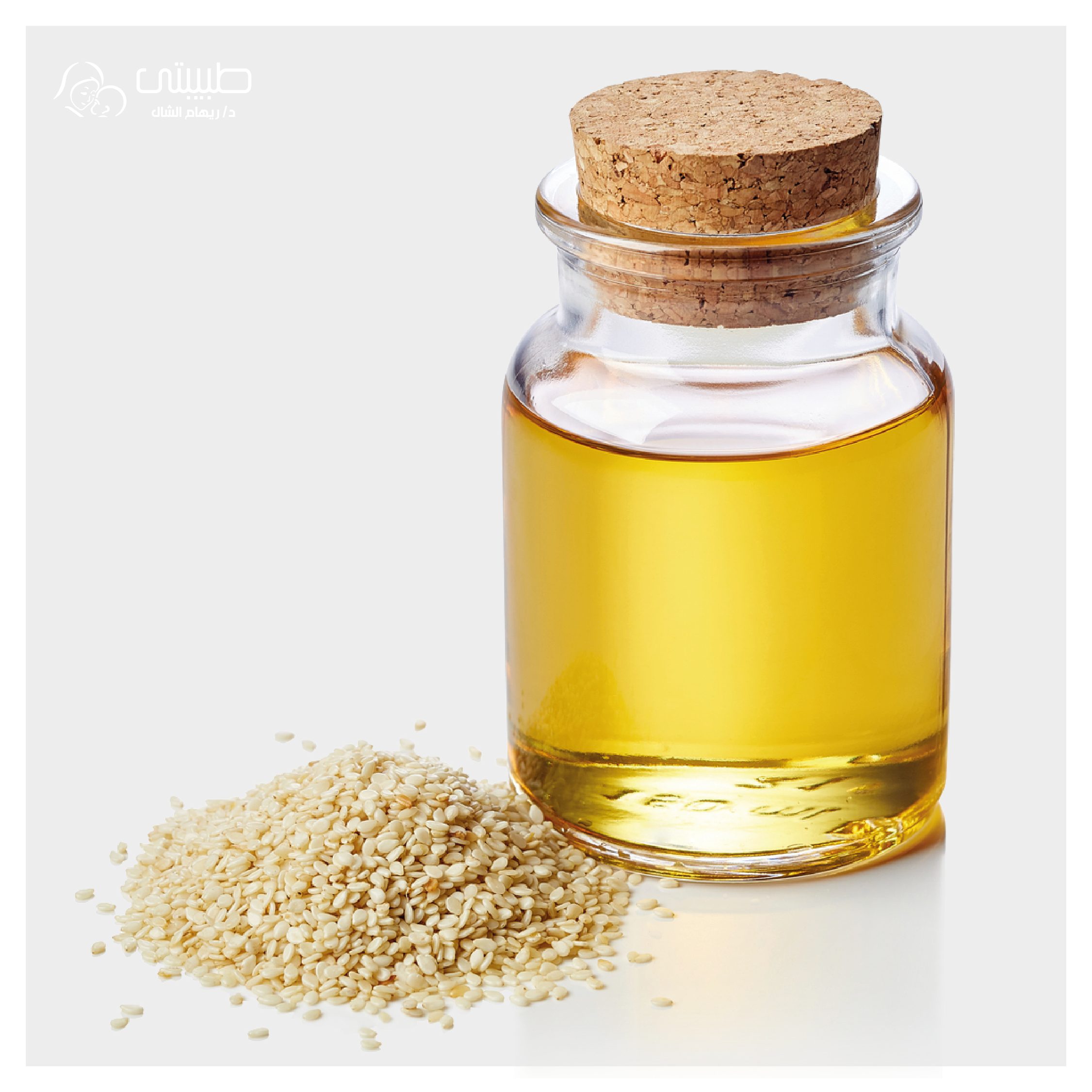
هل دهن البطن بالزيت يرجع الرحم لوضعه كي يحدث حمل؟

سؤال بيتكرر من بنات وسيدات كتير:

“لو دهنت بطني بزيت أو عملت مساج، ممكن الرحم يرجع مكانه الطبيعي ويحصل حمل؟”

علشان كده مهم نوضح الحقيقة بشكل بسيط وواضح.

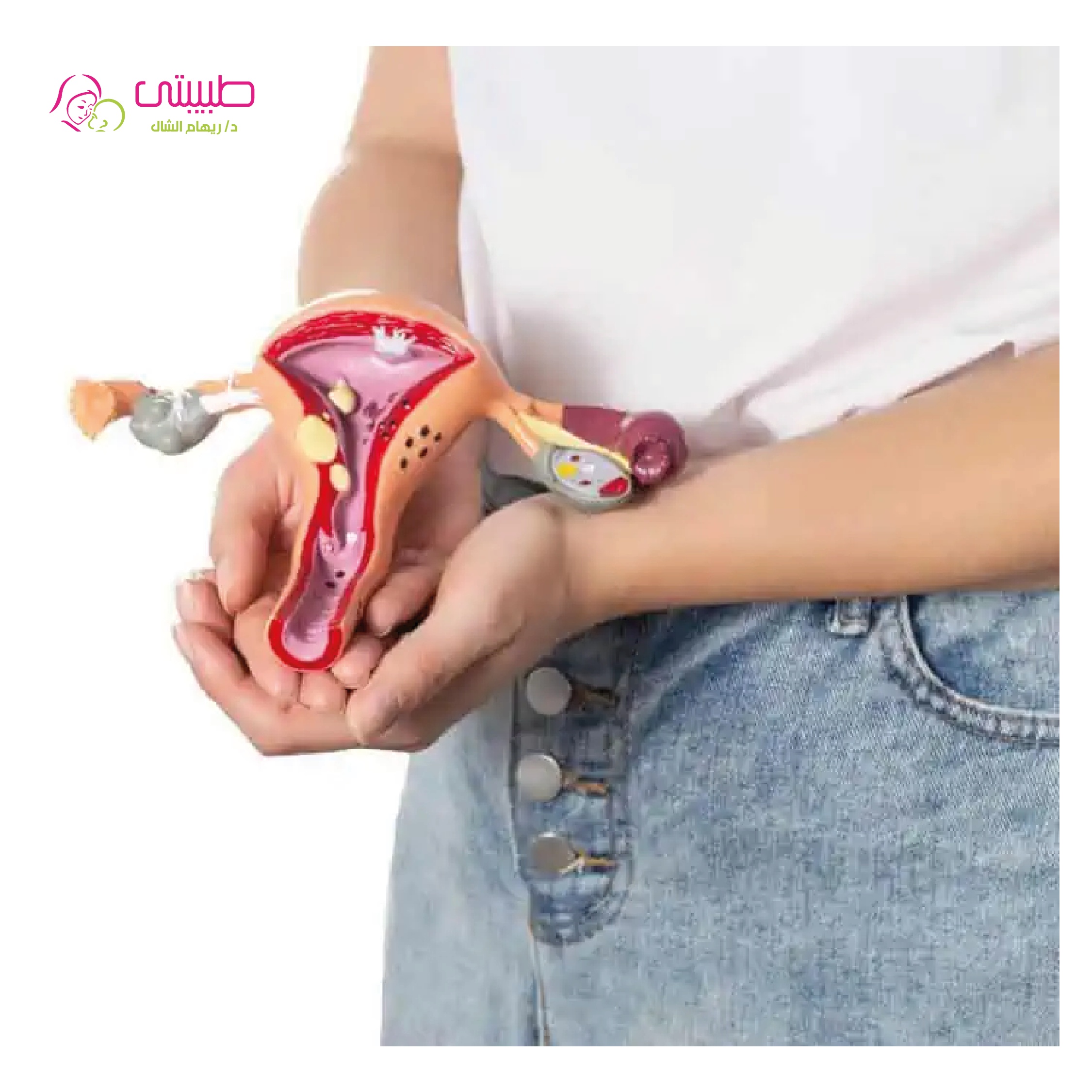
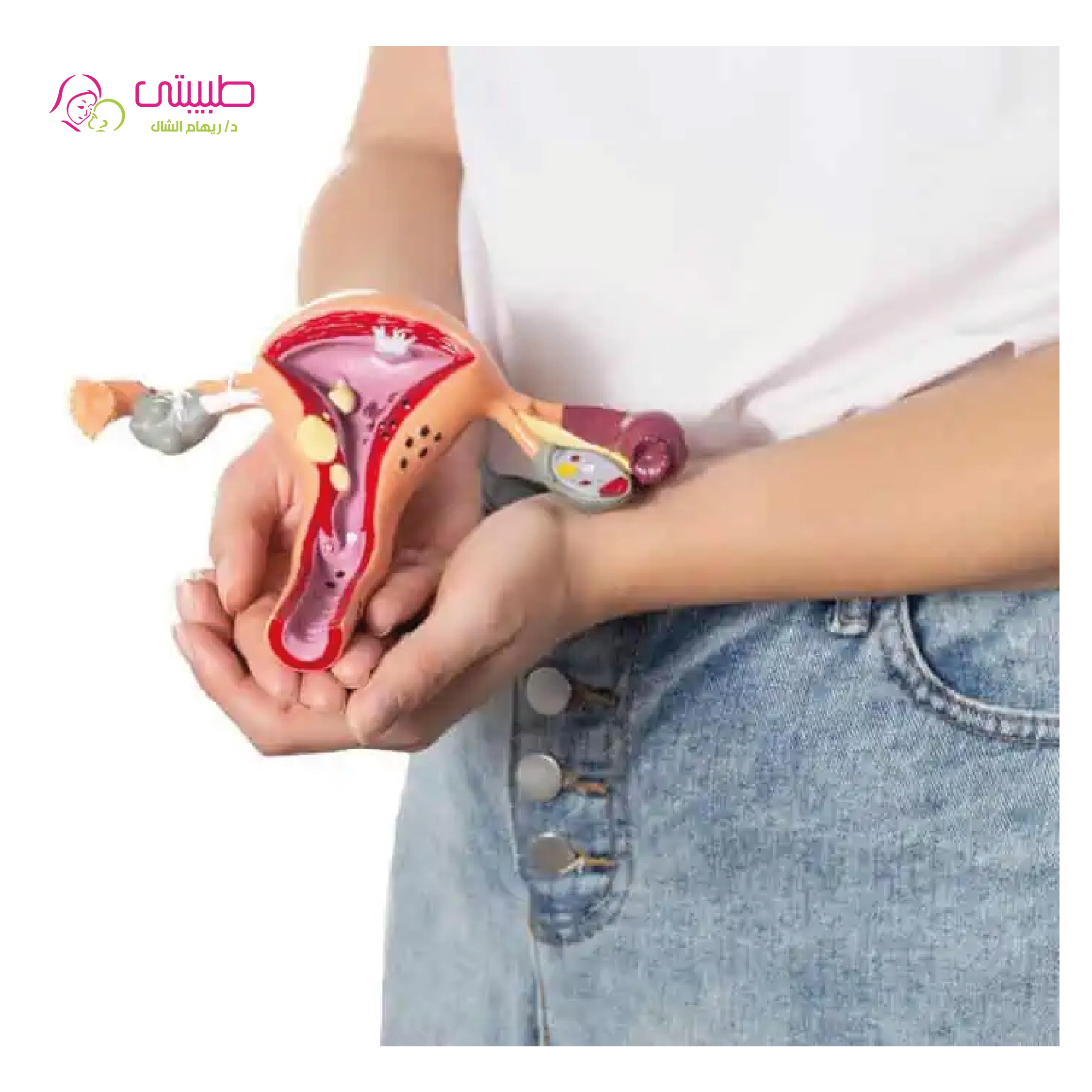
يعني إيه الرحم المقلوب؟ وهل فعلاً بيمنع الحمل؟

دكتورة ريهام الشال اخصائي طب وجراحات النساء والتوليد والحقن المجهري وتأخر الإنجاب بتوضح إن الرحم الطبيعي بيكون مائل للأمام شوية، شبه وضع السجود.

أحيانًا الرحم يميل لورا أو للجنب، وده اللي الناس بيسموه “رحم مقلوب”، مع إنه مش مصطلح دقيق من الناحية الطبية.

بس خلينا نطمنك:

الوضع ده مش مرض، ولا يمنع الحمل في أغلب الحالات.

اللي ممكن يأثر فعلاً على الحمل هو وجود التصاقات حول الرحم أو في الأنابيب، وده بيحصل أحيانًا بسبب التهابات قديمة أو جراحات سابقة.

لمشاهدة الفيديو من هنا: https://youtu.be/0s1oBZK6jVk?si=6a0HIU4eSQy4yYVH

هل فعلاً دهن البطن بالزيت بيرجع الرحم لمكانه؟

ببساطة: لأ. الرحم موجود جوا الجسم، ومربوط بأربطة قوية، علشان كده المساج أو الزيت من بره مش هيغير مكانه ولا هيأثر عليه.

حتى لو كان المساج مريح وبيقلل التوتر، فهو ليس وسيلة علاجية لتعديل وضع الرحم.

طيب وألم الظهر؟ ليه بيحصل وهل ليه علاقة بالحمل؟

ألم الظهر ممكن يكون له أسباب كتير، زي الإجهاد، أو الجلوس لفترات طويلة.

بس لو الألم مستمر وشديد، خصوصًا في منطقة الحوض، ممكن يكون مرتبط بمشكلة داخلية زي التهابات أو التصاقات، وساعتها لازم تروحي تكشفي.

لكن بشكل عام، ألم الظهر مش سبب مباشر لتأخر الحمل.

في النهاية:

• وضع الرحم لوحده لن يمنع الحمل، إلا لو كان فيه مشكلة تانية زي التصاقات أو انسداد في الأنابيب.

• دهن البطن بالزيوت أو المساج لا يرجع الرحم لمكانه، ومش علاج لتأخر الحمل.

• لو عندك ألم متكرر في الظهر أو شك في حاجة مش طبيعية، اتجهي للكشف الطبي واطمني.

نصيحة من القلب:

بلاش القلق ياخدك لتجارب مش مضمونة.

لو في تأخر في الحمل، الحل مش في وصفات عشوائية أو زيت من السوشيال ميديا،

الحل يبدأ بفحص بسيط عند دكتور  يفهم جسمك ويشوف حالتك بوضوح.

لقراءة مقالات أكثر عن تأخر الإنجاب وحلم الأمومة من هنا: https://youtu.be/EkQKk6XV764?si=oKvaEDxD1mZHx4kN

Does Applying Oil to the Abdomen Help the Uterus Return to Its Position and Speed Up Pregnancy؟

This is a question many girls and women keep asking:

“If I apply oil to my belly or do a massage, can my uterus return to its natural position and help me get pregnant?”

So, it’s important to clarify the truth in a simple and clear way.

What Does a Tilted Uterus Mean? And Can It Actually Prevent Pregnancy?

Dr. Riham ElShal, specialist in obstetrics, gynecology, IVF, and infertility, explains that the natural position of the uterus is slightly tilted forward—similar to the position of prostration in prayer.

Sometimes, the uterus tilts backward or to the side, and that’s what people often call a “tilted uterus,” although this is not an entirely accurate medical term.

But let us reassure you:

This condition is not a disease, and in most cases, it does not prevent pregnancy.

What can actually affect pregnancy is the presence of adhesions around the uterus or in the fallopian tubes. These adhesions may develop due to past infections or previous surgeries.

Watch the full video here:

Does Applying Oil to the Abdomen Really Help the Uterus Return to Its Position?

Simply: No.

The uterus is located inside the body and is held in place by strong ligaments. That means external massage or oil application will not change its position or affect it.

Even though massage may feel relaxing and help reduce stress, it is not a medical treatment to correct the position of the uterus.

What About Back Pain? Why Does It Happen and Is It Related to Pregnancy?

Back pain can have many causes—such as fatigue or sitting for long periods.

But if the pain is persistent and severe, especially in the pelvic area, it might be due to an internal issue like inflammation or adhesions. In that case, you must seek medical advice.

However, in general, back pain is not a direct cause of infertility.

In Summary:

• A tilted uterus alone does not prevent pregnancy, unless there’s another issue like adhesions or blocked tubes.

Applying oils or doing massage will not reposition the uterus, and it is not a treatment for delayed pregnancy.

• If you experience recurrent back pain or suspect something unusual, go for a medical check-up for reassurance.

A Heartfelt Message:

Don’t let anxiety push you into unreliable solutions.

If you’re facing delayed pregnancy, the answer is not in random recipes or oils promoted on social media.

The solution begins with a simple check-up with a doctor who understands your body and can assess your condition clearly.

To read more articles on infertility and the dream of motherhood, click here:

7 Signs That May Indicate Delayed Conception… and Why You Should Start Getting Checked Early


Whether you’re still single or newly married, there are many signs we encounter every day that could indicate your journey to pregnancy might take a little longer than expected. These signs shouldn’t be ignored—on the contrary, they are your body’s way of saying “Pay attention”, asking you to start early testing so any issues can be identified and treated before they grow more complex.

Let’s go through these 7 signs together and explore how each of them could be an important clue:

1. Irregular Menstrual Cycles

This is often the first and most noticeable sign.

When your period comes at irregular intervals or unpredictable times, it could indicate a hormonal imbalance. This doesn’t mean there’s no hope or that you’re infertile—not at all—but it does suggest that ovulation may be inconsistent, which affects the chances of getting pregnant.

Also, if you notice spotting or bleeding between periods, it’s crucial to consult a gynecologist immediately, even if you’re still single. Hormonal issues often begin early, and early detection is key.

2. Milky or White Nipple Discharge (Even in Unmarried Girls)

If you notice a milky or white discharge from your nipples—and especially if you’re not married—this could be a sign of a pituitary gland imbalance. Sometimes it’s a minor issue that can be resolved with simple medication, but other times it requires a more detailed assessment.

What’s most important is that you don’t ignore it or wait for it to get worse. The earlier we act, the easier the treatment.

3. Unusual Hair Growth (Hirsutism or Trichosis)

Many women in the Middle East and Mediterranean regions naturally have more body hair. That’s quite common.

But if the hair becomes thick, dark, and starts growing in male-pattern areas like the upper lip, chin, or chest, it’s time to pay attention.

This condition is called Hirsutism, often due to hormonal imbalances, and it can affect ovulation and fertility. So, medical follow-up is very important here.

👉 Watch the video here:

4. A Husband Who Smokes

This is a point many overlook.

People often say, “Our fathers and grandfathers smoked and still had nine kids.”

But science tells a different story: Smoking negatively affects sperm quality and reduces fertility. Even if conception happens, it can increase the risk of miscarriage or fetal abnormalities.

If your husband smokes, it’s important to address it seriously and discuss healthier alternatives together.

5. Severe Pain During or After Menstruation

We often get used to period pain and accept it as normal. But there’s a big difference between mild cramps and pain that’s so severe it keeps you from sleeping or going about your day.

If the pain persists even after your period ends, it could be a sign of endometriosis, a common condition that can affect fertility if left untreated.

6. Difficulty with Marital Intimacy

It’s a sensitive topic, but one that matters greatly.

Many cases of delayed pregnancy are due to sexual issues—either from the husband or wife. This could include pain, anxiety, or simply a lack of proper information.

There’s no shame in seeking help.

Consulting a specialist in sexual health can resolve the issue easily, but staying silent can delay your dream of motherhood unnecessarily.

7. Believing in Myths and Outdated Practices

“Drink this mix,” “If she lies on her back after marriage, she’ll get pregnant,” “If intercourse happens while she’s fasting, there’ll be problems…”

Unfortunately, many girls fall into the trap of myths and unscientific traditional remedies. These practices often have no scientific basis, and in many cases, cause harm.

We’ve seen numerous cases of women who sought treatment from non-professionals and took harmful herbal remedies.

If you’re going to use herbs or natural treatments, make sure it’s under real medical supervision. Even alternative medicine has rules and guidelines.

In Conclusion…

These were the 7 signs you should be mindful of.

If you recognize one or more of them in yourself, don’t panic.

It doesn’t mean pregnancy is impossible—but it does mean it’s time to take action and start investigating.

Every day that passes without proper follow-up could delay the dream, while early intervention brings you closer to motherhood.

And if you’re struggling with fertility issues, we’ve gathered all the essential topics related to delayed conception in a series of structured, scientifically backed lessons, designed to help you reach the motherhood you truly deserve:

What is the difference between poor ovulation and low ovarian reserve?

A Common and Important Question Many Women Ask When Trying to Better Understand Their Bodies and Reproductive Health Is:

“Doctor, what’s the difference between poor ovulation and low ovarian reserve?”

Today, we’re going to explain the difference clearly and simply, without any complexity.

Get a pen and paper, because what we’re about to discuss is very important—and it may completely change how you view ovulation and fertility.

I’m Dr. Riham El-Shall, Specialist in Obstetrics, Gynecology, Infertility, and IVF. Today, you’re with me in “Tabeebty Qaletlakom” — your trusted community for women’s health and wellbeing.

Let’s Start from the Beginning: What Is Ovarian Reserve?

Imagine you have a large freezer at home, filled with food and supplies.

That freezer is a simple way to picture your ovarian reserve — the number of eggs you’re born with.

Every woman is born with a fixed number of eggs, and over time, that number decreases gradually.

But unlike a regular freezer, once your ovarian reserve runs out, it cannot be refilled.

In other words, your egg reserve is affected by age and specific health conditions, and once it’s gone, it doesn’t come back.

Understanding this is essential to move forward with today’s explanation.

Watch the video here:

So, What Is Poor Ovulation?

Let’s return to the freezer example.

Even if your freezer is full, does that mean all the food inside is fresh and ready to eat? Not necessarily.

Some of it might be old, of poor quality, or difficult to access.

The same applies to ovulation.

Poor ovulation means the ovaries are not regularly or efficiently releasing eggs.

In other words, the ovarian reserve may be present, but ovulation itself is irregular, weak, or producing eggs that are immature or of poor quality.

Here’s a breakdown of the difference:

• A full freezer represents a good ovarian reserve

• Being unable to access the food reflects poor ovulation

• Accessing food of low quality reflects poor egg quality

• An empty freezer represents low or depleted ovarian reserve

Is the Example Clear?

This simple analogy helps clarify the essential difference between poor ovulation and low ovarian reserve.

It’s important to remember that low ovarian reserve requires timely action because it’s a race against time — the reserve declines continuously.

Poor ovulation, however, is not necessarily linked to age. It can occur even in younger women due to hormonal imbalances or functional ovarian problems.

Why Is This Important?

Because medical decisions in both cases are completely different.

• In low ovarian reserve, early intervention is necessary to preserve the possibility of pregnancy before options become limited

• In poor ovulation, we can focus on cycle regulation, ovulation stimulation, and improving egg quality

One Final and Crucial Point:

In many countries, the field of obstetrics and gynecology is divided into two separate specialties:

1. General Obstetrics and Gynecology

2. Fertility and Reproductive Medicine

This is because each area requires a specific approach and deep understanding.

That’s why it’s essential to consult a doctor who specializes in fertility or has real experience in managing cases of poor ovulation or low ovarian reserve, not just any gynecologist.

A delayed or incorrect decision could cost you a real opportunity to become a mother in the future.

If you’re struggling with delayed conception, we’ve compiled a complete library of detailed lessons backed by scientific information to help you move closer to the dream of motherhood you deserve.