تحسين الخصوبة وفرص نجاح الحقن المجهري مع مادة L arginine

تُعاني العديد من السيدات من صعوبة الحمل، مما قد يدفعها إلى اللجوء إلى تقنيات الإنجاب المساعدة مثل الحقن المجهري.

لحسن الحظ، تُقدم الأبحاث الحديثة أملاً جديدًا من خلال مادة L arginine، التي أظهرت قدرتها على تحسين الخصوبة وفرص نجاح الحقن المجهري.

ما هي مادة L arginine؟

هي مادة طبيعية مشتقة من جدار الخلية النباتية، وتتمتع بخصائص مضادة للأكسدة ومضادة للالتهابات.

تلعب دورًا هامًا في تنظيم نمو الخلايا وتمايزها، وتُعد ضرورية لصحة الجهاز التناسلي للمرأة.

كيف تؤثر مادة L arginine على الخصوبة؟
أظهرت الدراسات أن مادة L arginine يمكن أن:

تحسن جودة البويضات: تُساعد في حماية البويضات من التلف الناتج عن الجذور الحرة، مما يُحسّن من فرص إخصابها.

تُعزز صحة بطانة الرحم: تُساعد في زيادة تدفق الدم إلى الرحم، وتحسين نوعية البطانة، مما يُحسّن من فرص انغراس الجنين.

تُقلل من مخاطر الإجهاض: تُساعد في تقليل الالتهاب في الرحم، مما يُقلل من مخاطر الإجهاض.

كيف يمكن الحصول على مادة L arginine؟

تتوفر مادة L arginine في شكل مكملات غذائية طبيعية، وعادةً ما يتم تناولها على شكل كبسولات أو مسحوق.

من المهم استشارة الطبيب قبل تناول أي مكملات غذائية، بما في ذلك مادة L arginine، لتحديد الجرعة المناسبة ومدة الاستخدام.

نصائح هامةاستشارة الطبيب: يجب استشارة الطبيب قبل تناول أي مكملات غذائية، بما في ذلك مادة L arginine، للتأكد من ملاءمتها لحالتك الصحية.

الجرعة المناسبة: اتباع تعليمات الطبيب بدقة فيما يتعلق بجرعة مادة L arginine ومدة الاستخدام.

نمط حياة صحي: اتباع نظام غذائي صحي وممارسة الرياضة بانتظام والحصول على قسط كافٍ من النوم، كلها عوامل تُساهم في تحسين الخصوبة وفرص الحمل.

تُعد مادة L arginine واعدة جديدة لتحسين الخصوبة وفرص نجاح الحقن المجهري.

مع ذلك، من المهم استشارة الطبيب قبل تناولها والتأكد من اتباع نمط حياة صحي للحصول على أفضل النتائج.

Treating small Ovums: How do we enlarge them and improve their quality?

Some women suffer from the problem of small egg size, which may affect the chances of pregnancy. In this article, Dr. Reham Al-Shall, a specialist in obstetrics and gynecology, delayed childbearing and ICSI, will discuss methods for treating small eggs in detail.

What is the normal size of the egg?

The normal size of the egg before ovulation is considered to be between 18 to 22 mm.

Signs that indicate the small size of the egg

Delayed pregnancy despite following natural reproductive methods.

Low number of mature eggs in each menstrual cycle.

Feeling mild pain in the abdominal area during ovulation.

Irregular menstrual cycle.

Treatment of small eggs

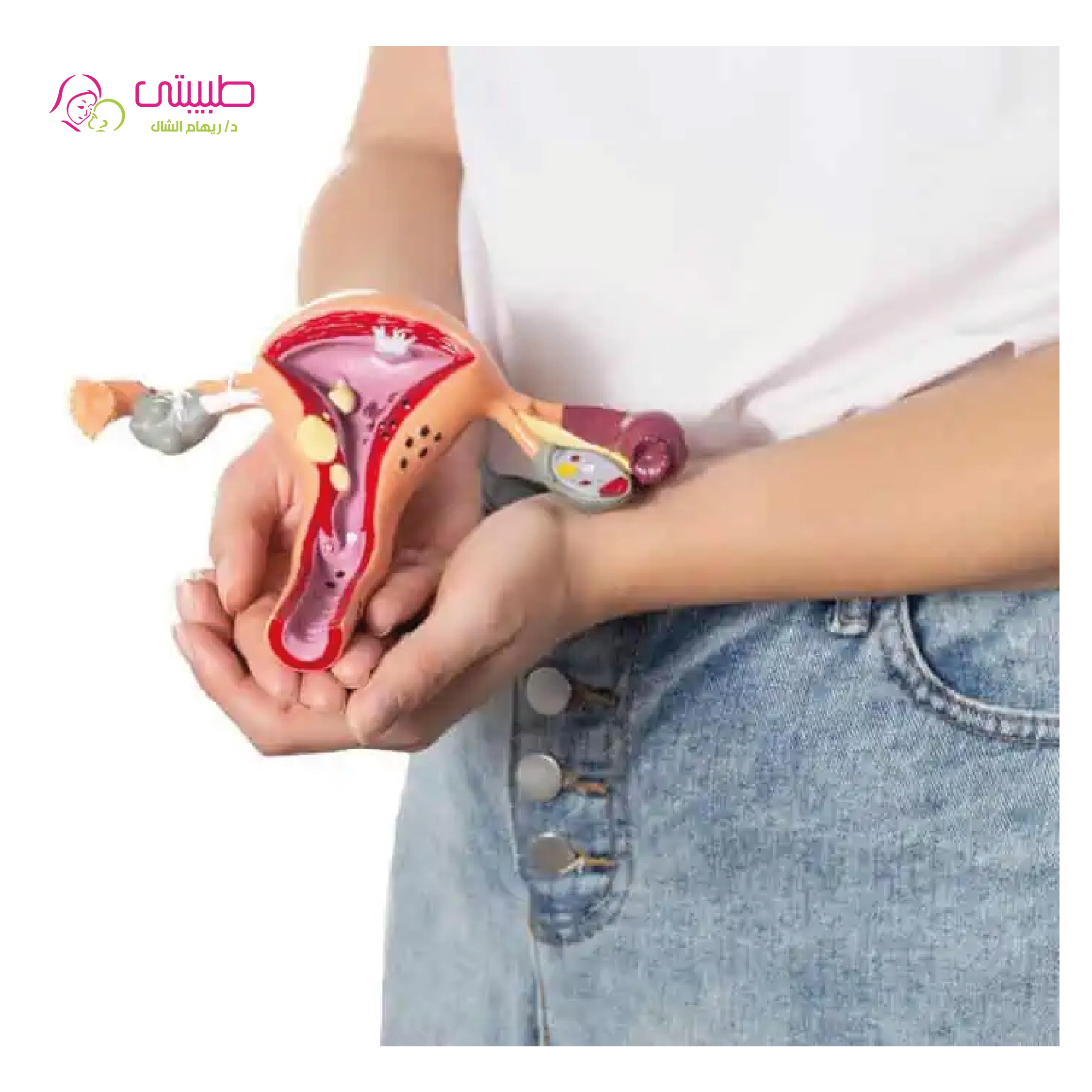
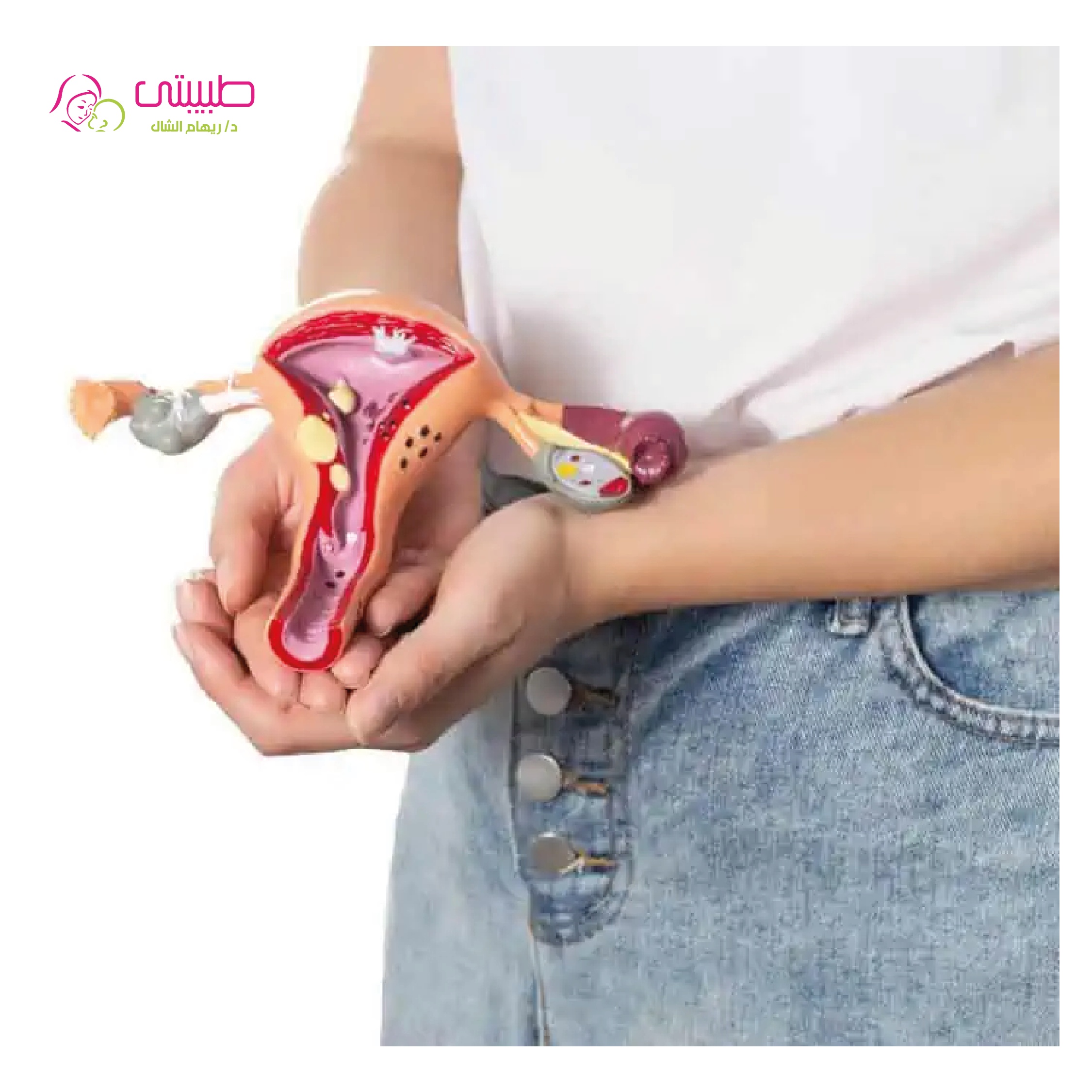
Treatment for small eggs depends on the cause of the problem, and available treatments include:

1. Ovulation stimulating medications

Oral medications: such as clomiphene and clostilbegette. Injectable medications: such as FSH and LH.

2. Natural methods

Follow a healthy diet: rich in fruits, vegetables, whole grains and protein.

Exercise regularly: for at least 30 minutes on most days of the week.

Get enough sleep: 7-8 hours every night.

Reducing stress and anxiety: through relaxation techniques such as yoga and meditation.

Take nutritional supplements: such as vitamin D and folic acid.

3. Assisted reproductive techniques

Artificial insemination: The egg is fertilized outside the body and then implanted in the uterus.

ICSI: The sperm is injected directly into the egg inside the body.

Important tips

Consult a specialist doctor: to determine the appropriate reason for the small size of the egg and choose the most appropriate treatment.

Periodic follow-up with the doctor: to monitor the ovaries’ response to treatment. Patience and perseverance: Treatment results may not appear immediately, so it is important to be patient and persevere.

In conclusion

The small size of the egg is a problem that can be treated, if the correct steps are followed under the supervision of a specialist doctor.

Feel free to ask your questions in the comments, and I will answer them as soon as possible.

Wishing you a healthy pregnancy and a healthy baby!

Signs of pregnancy in the first week: are they real or an illusion?

Many women wonder about the signs of pregnancy in the first week, especially with delayed menstruation. In this article, Dr. Reham Al-Shall, a specialist in obstetrics and gynecology and delayed childbearing, will address the early signs of pregnancy in a realistic and accurate way.

When do we discover pregnancy?

It is not possible to definitively confirm the presence of pregnancy in the first week. Regular pregnancy tests do not show the result until at least 3 weeks have passed into the pregnancy, that is, after the menstrual period is delayed.

Signs are similar but not conclusive

In the first week, some signs may appear that may indicate pregnancy, but they are similar to the symptoms of ovulation. These signs include:

Light spotting of blood: also known as “ovulation blood” or “ovulation bleeding.”

Dull pain in the abdominal area: Also known as “ovulation pain.”

Breast swelling: with a feeling of heaviness and mild pain.

Mood swings: feeling sad or irritable. No need to worry or stress

It is important to emphasize that these signs are not conclusive and do not prove pregnancy with certainty.

Many women may experience it during their menstrual cycles without it being evidence of pregnancy.

Important tips

Wait for your period to be late: Do not take a pregnancy test until your period is later than usual.

Do not exhaust yourself: Avoid stress and anxiety, as this may affect your health and psychology.

Enjoy life: Remember that pregnancy is a beautiful journey, so do not waste your time worrying.

In conclusion

There is no need to be confused or rush to judgement. Wait for your menstrual period to be delayed, and if you develop any worrying symptoms, do not hesitate to consult a doctor.

How to improve Ovums quality: Tips from Dr. Reham Al-Shall

Egg quality is an important element in achieving pregnancy, especially for women with delayed childbearing. In this article, Dr. Reham Al-Shall, a specialist in obstetrics and gynecology, delayed childbearing and ICSI, gives us some advice to improve the quality of Ovums and increase the chances of pregnancy.

The importance of improving Ovums quality

An Ovums is a product produced by the body to communicate with sperm to create an embryo.

The better the quality of the Ovums, the greater the chances of it maturing, fertilizing, and forming a healthy embryo.

Ovums quality affects fetal health and miscarriage rates.

Factors affecting Ovums quality

Age: As you age, Ovums quality naturally declines.

Lifestyle: Diet, exercise, smoking, and exposure to stress affect the quality of Ovums.

Medical conditions: Certain medical conditions, such as polycystic ovary syndrome, can affect Ovums quality.

Medications: Some medications, such as non-steroidal anti-inflammatory drugs, can affect Ovums quality.

Tips to improve Ovums quality

Follow a healthy diet: Eat plenty of fruits, vegetables, whole grains, and lean proteins. Reduce your intake of sugars, saturated fats and red meat.

Exercise regularly: Allocate at least 30 minutes to moderate exercise most days of the week. Maintain a healthy weight: Losing excess weight or obesity can help improve Ovums quality.

Quit smoking: Smoking is one of the main factors that reduces Ovums quality.

Reduce stress: Practice relaxation techniques such as yoga or meditation to control stress levels.

Get enough sleep: It is recommended to sleep 7 to 8 hours every night.

Vitamin D intake: Studies have shown that vitamin D deficiency can negatively affect egg quality.

Doctor’s consultation: Your doctor can recommend nutritional supplements or other treatments to improve Ovums quality based on your condition.

Additional Tips

Avoid drinking alcohol.

Reduce your caffeine intake.

Avoid exposure to harmful chemicals.

Consult your doctor before taking any new medications or supplements.

In conclusion

Improving Ovums quality is crucial to increasing the chances of pregnancy. By following the above tips, you can take positive steps towards achieving your dream of having children.

note

This article is for educational purposes only and is not a substitute for consulting a doctor.

Be sure to consult your doctor before making any major changes to your lifestyle or taking any new supplements.

Is the home pregnancy test 100% accurate?

Many women resort to a home pregnancy test to find out whether they are pregnant or not. But are these tests 100% accurate?

the answer

The simple answer is no, home pregnancy tests are not 100% accurate.

Reasons for inaccuracy

When to take the test: It is recommended to take a home pregnancy test at least a week after your late period. The later the cycle, the more accurate the test.

Type of home pregnancy test: The accuracy of home pregnancy tests varies depending on their type. Some are more accurate than others.

The amount of hCG in the urine: The higher the amount of hCG in the urine, the more accurate the test.

Medications: Some medications may interact with a home pregnancy test and lead to incorrect results.

Medical conditions: Some medical conditions, such as polycystic ovary syndrome or miscarriage, may affect the accuracy of a home pregnancy test.

False negative results

In some cases, a home pregnancy test may show a negative result when the woman is actually pregnant.

Causes of false negative results

Test early: As mentioned earlier, the later the cycle, the more accurate the test.

Low level of pregnancy hormone: The level of pregnancy hormone in urine may be low at the beginning of pregnancy, which may lead to a false negative result.

Not following test instructions exactly: It is important to follow test instructions exactly to ensure a correct result.

False positive results

In rare cases, a home pregnancy test may show a positive result when the woman is not actually pregnant.

Causes of false positive results

Chemical pregnancy: It is an early loss of pregnancy in the first weeks.

The presence of the pregnancy hormone in the urine for other reasons: The pregnancy hormone may be present in the urine for reasons other than pregnancy, such as certain medications or ovarian problems.

Recommendations

If you have any doubts about the result of a home pregnancy test, it is best to see a doctor for a blood test. It is recommended to perform a blood test to measure the pregnancy hormone (hCG) to definitively confirm pregnancy.

Do not rely on a home pregnancy test alone to confirm or deny pregnancy.

In conclusion

Home pregnancy tests are a useful tool, but they are not 100% accurate. If you have any doubts about the result of a home pregnancy test, it is best to see a doctor.

Signs that may delay pregnancy: Surprises you may not expect!

The journey of pregnancy is a unique experience full of hope and expectations, but some women may face difficulties in achieving the dream of having children. In this article, we will reveal 7 signs that you may not expect that may delay your chances of getting pregnant, and provide you with the necessary tips to deal with them effectively.

1. Cold extremities

Cold extremities may be an indicator of hypothyroidism, a condition that affects the production of hormones necessary to regulate metabolism, including ovarian function.

2. Severe menstrual pain

While some period pain is normal, excessive severity may indicate conditions such as endometriosis, which affects a woman’s fertility.

3. Absence of menstrual pain

The absence of menstrual pain may be a sign that ovulation has not occurred, which is necessary for pregnancy.

4. Milk secretions from the breast

Milk secretions from the breasts may indicate high levels of the hormone prolactin, which inhibits ovulation.

5. Weight gain

Obesity and being overweight may affect the hormonal balance and reduce the chances of pregnancy.

6. Excess facial hair

Excess hair on the face may be a sign of polycystic ovary syndrome, a hormonal condition that affects the ovulation process.

7. Menstrual disorders

Absence of a regular menstrual cycle may indicate problems with ovulation or other hormonal problems that affect fertility.

Infections

Infections in the female genital area are among the factors that may delay or permanently hinder pregnancy.

Important tips

doctor consultation: If you notice any of these signs, it is important to consult a doctor to determine the root cause and get appropriate treatment.

Healthy lifestyle: Eating a balanced diet, exercising regularly, and getting enough sleep all contribute to improving fertility.

Reducing stress: Stress can negatively affect hormones and reproductive functions, so make sure to reduce stressors in your life.

In conclusion

Remember that delayed pregnancy does not necessarily mean there is a serious problem. With proper diagnosis and treatment, your chances of achieving your dream of having children increase.

Share this article with your friends and relatives, as knowledge is the key to health and happiness!

We wish you an easy and healthy pregnancy!

هل اختبار الحمل المنزلي دقيق 100%؟

تلجأ الكثير من السيدات إلى اختبار الحمل المنزلي لمعرفة ما إذا كنّ حوامل أم لا. لكن هل هذه الاختبارات دقيقة 100%؟ الإجابة ببساطة هي لا، اختبارات الحمل المنزلي ليست دقيقة 100%.

أسباب عدم الدقة:

وقت إجراء الاختبار: يُنصح بإجراء اختبار الحمل المنزلي بعد مرور أسبوع على الأقل من موعد الدورة الشهرية المتأخرة. فكلما تأخرت الدورة، زادت دقة الاختبار.

نوع اختبار الحمل المنزلي: تختلف دقة اختبارات الحمل المنزلي باختلاف نوعها. فبعضها أكثر دقة من البعض الآخر.

كمية هرمون الحمل (hCG) في البول: كلما كانت كمية هرمون الحمل في البول مرتفعة، زادت دقة الاختبار.

الأدوية: قد تتفاعل بعض الأدوية مع اختبار الحمل المنزلي وتؤدي إلى نتائج غير صحيحة.

الحالات الطبية: بعض الحالات الطبية، مثل تكيس المبايض أو الإجهاض، قد تؤثر على دقة اختبار الحمل المنزلي.

النتائج السلبية الخاطئة:في بعض الحالات، قد يُظهر اختبار الحمل المنزلي نتيجة سلبية بينما تكون المرأة حاملًا بالفعل.

أسباب النتائج السلبية الخاطئة:

إجراء الاختبار مبكرًا: كما ذكرنا سابقًا، كلما تأخرت الدورة، زادت دقة الاختبار.

انخفاض مستوى هرمون الحمل: قد يكون مستوى هرمون الحمل في البول منخفضًا في بداية الحمل، مما قد يؤدي إلى نتيجة سلبية خاطئة.

عدم اتباع تعليمات الاختبار بدقة: من المهم اتباع تعليمات الاختبار بدقة لضمان الحصول على نتيجة صحيحة.

النتائج الإيجابية الخاطئة:في حالات نادرة، قد يُظهر اختبار الحمل المنزلي نتيجة إيجابية بينما لا تكون المرأة حاملًا بالفعل.

أسباب النتائج الإيجابية الخاطئة:

الحمل الكيميائي: هو فقدان مبكر للحمل في الأسابيع الأولى.

وجود هرمون الحمل في البول لأسباب أخرى: قد يكون هرمون الحمل موجودًا في البول لأسباب أخرى غير الحمل، مثل بعض الأدوية أو مشاكل في المبايض.

التوصيات:

إذا كان لديك أي شكوك حول نتيجة اختبار الحمل المنزلي، فمن الأفضل مراجعة الطبيب لإجراء فحص دم.

يُنصح بإجراء فحص دم لقياس هرمون الحمل (hCG) للتأكد من الحمل بشكل قاطع.

لا تعتمدي على اختبار الحمل المنزلي فقط لتأكيد أو نفي الحمل.

ختاما:

اختبارات الحمل المنزلي أداة مفيدة، لكنها ليست دقيقة 100%.

إذا كان لديك أي شكوك حول نتيجة اختبار الحمل المنزلي، فمن الأفضل مراجعة الطبيب.

تنشيط التبويض بشكل طبيعي: دليل شامل

مرحباً بكم! في هذا المقال، سنناقش طرق تنشيط التبويض بشكل طبيعي، مستعرضين النص الذي قدمته الدكتورة ريهام الشال، أخصائية طب وجراحة النساء والتوليد وتأخر الإنجاب والحقن المجهري.

أهمية تنشيط التبويض:

يلعب التبويض السليم دورًا هامًا في حدوث الحمل.

قد تواجه بعض السيدات ضعفًا في التبويض، مما يؤثر على فرص الحمل.

لحسن الحظ، هناك العديد من الطرق الطبيعية لتنشيط التبويض وتحسين فرص الإنجاب.

عوامل تؤثر على التبويض:

التغذية: تلعب التغذية الصحية دورًا هامًا في صحة المبايض ووظائفها.

الضغوطات النفسية: تؤثر الضغوطات سلبًا على مستويات الهرمونات، مما قد يعيق عملية التبويض.

قلة النشاط البدني: يؤدي قلة الحركة إلى ضعف الدورة الدموية، مما قد يؤثر على صحة المبايض.

بعض الحالات الصحية: مثل تكيس المبايض، قد تؤثر على التبويض.

الأدوية: قد تتسبب بعض الأدوية في حدوث خلل في التبويض.

طرق طبيعية لتنشيط التبويض:
1. التغذية:

تناول مضادات الأكسدة: مثل الأوميجا 3 الموجودة في الأسماك، والفيتامين E الموجود في المكسرات والبذور، والفواكه والخضروات ذات الأوراق الخضراء.

تقليل السكر: تقليل كل اللكلات التي تعتمد على السكر المصنع والتركيز على سكر الفاكهة.

تناول حمض الفوليك: الموجود في الخضروات ذات الأوراق الخضراء، والبقوليات، والحبوب الكاملة.

تناول البروتينات: البروتينات الحيوانية مثل الأسماك واللحوم الحمراء والفراخ والبروتينات النباتية مثل الفول والعدس.

تناول الدهون الصحية: مثل زيت الزيتون والمكسرات والبذور.

شرب الماء بكميات كافية.

2. ممارسة الرياضة:

ممارسة الرياضة بانتظام لمدة 30 دقيقة على الأقل 5 أيام في الأسبوع.

اختيار تمارين متنوعة مثل المشي، والسباحة، والركض، وركوب الدراجات.

3. تقليل التوتر:

ممارسة تقنيات الاسترخاء مثل اليوغا والتأمل.

الحصول على قسط كافٍ من النوم.

قضاء الوقت مع العائلة والأصدقاء.

ممارسة الهوايات المفضلة.

4. تناول الفيتامينات والمكملات الغذائية:

استشارة الطبيب بشأن تناول الفيتامينات والمكملات الغذائية المناسبة لحالتك.

قد يوصي الطبيب بتناول مكملات فيتامين د، أو الميلاتونين، أو فيتامينات B.

5. الحفاظ على وزن صحي:

فقدان الوزن الزائد في حال كنت تعانين من السمنة.

الحفاظ على وزن صحي.

6. تجنب التدخين والكحول:

يضر التدخين والكحول بصحة المبايض ويؤثران على عملية التبويض.

7. المتابعة مع الطبيب:

من المهم المتابعة مع الطبيب بشكل دوري لفحص صحة المبايض والتأكد من عدم وجود أي مشاكل هرمونية.

يمكن للطبيب أن يصف الأدوية المنشطة للتبويض في حال لزم الأمر.

نصائح إضافية:

الحصول على قسط كافٍ من النوم.

تجنب السهر.

ارتداء ملابس فضفاضة ومريحة.تجنب استخدام المواد الكيميائية الضارة.الحفاظ على نظافة المنطقة الحساسة.

خاتمة:

إن تنشيط التبويض بشكل طبيعي ممكن من خلال اتباع نمط حياة صحي يشمل اتباع نظام غذائي متوازن، وممارسة الرياضة بانتظام، وتقليل التوتر، والحصول على قسط كافٍ من النوم.

ملاحظة:

هذه المعلومات مقدمة للتثقيف فقط، ولا تُغني عن استشارة الطبيب المختص.

يختلف تأثير هذه الطرق من شخص لآخر، ويجب استشارة الطبيب لتحديد الطريقة الأنسب لكل حالة.

علامات قد تؤخر الحمل: مفاجآت قد لا تتوقعينها!

تُعدّ رحلة الحمل تجربة فريدة مليئة بالأمل والتوقعات، لكن قد تواجه بعض السيدات صعوبات في تحقيق حلم الإنجاب.

في هذا المقال، سنكشف النقاب عن 7 علامات قد لا تتوقعينها قد تؤخر فرصك في الحمل، ونقدم لكِ النصائح اللازمة للتعامل معها بفعالية.

1. برودة الأطراف:

قد تكون برودة الأطراف مؤشرًا على قصور الغدة الدرقية، وهي حالة تؤثر على إنتاج هرمونات ضرورية لتنظيم عملية التمثيل الغذائي، بما في ذلك وظائف المبيضين.

2. آلام الدورة الشهرية الشديدة:

بينما تُعدّ بعض آلام الدورة طبيعية، إلا أن شدتها المفرطة قد تُشير إلى حالات مثل بطانة الرحم المهاجرة، التي تؤثر على خصوبة المرأة.

3. غياب آلام الدورة الشهرية:

قد يكون غياب آلام الدورة الشهرية علامة على عدم حدوث التبويض، وهو أمر ضروري للحمل.

4. إفرازات الحليب من الثدي:

قد تُشير إفرازات الحليب من الثدي إلى ارتفاع مستويات هرمون البرولاكتين، الذي يُثبّط عملية التبويض.

5. زيادة الوزن:

السمنة وزيادة الوزن عن المعدل الطبيعي قد تؤثران على توازن الهرمونات وتُقللان من فرص الحمل.

6. شعر الوجه الزائد:

قد يكون ظهور شعر زائد على الوجه علامة على تكيس المبايض، وهي حالة هرمونية تؤثر على عملية التبويض.

7. اضطرابات الدورة الشهرية:

غياب انتظام الدورة الشهرية قد يُشير إلى مشاكل في التبويض أو مشاكل هرمونية أخرى تؤثر على الخصوبة.الالتهابات:تُعدّ الالتهابات في منطقة الأعضاء التناسلية الأنثوية من العوامل التي قد تُؤخر الحمل أو تُعيقه بشكل دائم.

نصائح هامة:

استشارة الطبيب:إذا لاحظتِ أيًا من هذه العلامات، فمن المهم استشارة الطبيب لتحديد السبب الجذري والحصول على العلاج المناسب.

نمط حياة صحي: اتباع نظام غذائي متوازن وممارسة الرياضة بانتظام والحصول على قسط كافٍ من النوم كلها عوامل تُساهم في تحسين الخصوبة.

التقليل من التوتر: يُمكن أن يُؤثر التوتر سلبًا على الهرمونات ووظائف الإنجاب، لذا احرصي على تقليل مسببات التوتر في حياتكِ.

ختامًا:

تذكري أن تأخر الحمل لا يعني بالضرورة وجود مشكلة خطيرة، فمع التشخيص والعلاج المناسبين، تزداد فرصكِ في تحقيق حلم الإنجاب.

شاركي هذا المقال مع صديقاتكِ وأقاربكِ، فالمعرفة هي مفتاح الصحة والسعادة!

كيف تحسنين جودة البويضات: نصائح من دكتورة ريهام الشال

تُعد جودة البويضات عنصرًا هامًا في تحقيق الحمل، خاصةً بالنسبة للنساء اللاتي يعانين من تأخر الإنجاب. في هذا المقال، تقدم لنا دكتورة ريهام الشال، أخصائية طب وجراحة النساء والتوليد وتأخر الإنجاب والحقن المجهري، بعض النصائح لتحسين جودة البويضات وزيادة فرص الحمل.

أهمية تحسين جودة البويضات:

تُعد البويضة منتجًا ينتجه الجسم للتواصل مع الحيوان المنوي لتكوين الجنين.كلما كانت جودة البويضة أفضل، زادت فرص نضجها وتخصيبها وتكوين جنين سليم.تؤثر جودة البويضات على صحة الجنين ومعدلات الإجهاض.

العمر: مع تقدم العمر، تنخفض جودة البويضات بشكل طبيعي.

عوامل تؤثر على جودة البويضات:

نمط الحياة: يؤثر النظام الغذائي، وممارسة الرياضة، والتدخين، والتعرض للضغوطات على جودة البويضات.

الحالات الطبية: يمكن أن تؤثر بعض الحالات الطبية، مثل متلازمة تكيس المبايض، على جودة البويضات.

الأدوية: يمكن أن تؤثر بعض الأدوية، مثل مضادات الالتهابات غير الستيرويدية، على جودة البويضات.

نصائح لتحسين جودة البويضات:

اتباع نظام غذائي صحي: تناولي الكثير من الفواكه والخضروات والحبوب الكاملة والبروتينات الخالية من الدهون. قللي من تناول السكريات والدهون المشبعة واللحوم الحمراء.ممارسة الرياضة بانتظام: خصصي 30 دقيقة على الأقل لممارسة الرياضة المعتدلة معظم أيام الأسبوع.

الحفاظ على وزن صحي: إن فقدان الوزن الزائد أو السمنة يمكن أن يساعد في تحسين جودة البويضات.

الإقلاع عن التدخين: يُعد التدخين من العوامل الرئيسية التي تُقلل من جودة البويضات.

تقليل التوتر: مارس تقنيات الاسترخاء مثل اليوجا أو التأمل للتحكم في مستويات التوتر.

الحصول على قسط كافٍ من النوم: ينصح بالنوم من 7 إلى 8 ساعات كل ليلة.

تناول فيتامين د: أظهرت الدراسات أن نقص فيتامين د يمكن أن يؤثر سلبًا على جودة البويضات.

استشارة الطبيب: يمكن للطبيب أن ينصحك بمكملات غذائية أو علاجات أخرى لتحسين جودة البويضات بناءً على حالتك.

نصائح إضافية:

تجنب شرب الكحول.قللي من تناول الكافيين.تجنب التعرض للمواد الكيميائية الضارة.استشيري طبيبك قبل تناول أي أدوية أو مكملات جديدة.

ملاحظة:

إن تحسين جودة البويضات هو أمرٌ بالغ الأهمية لزيادة فرص الحمل.

باتباع النصائح المذكورة أعلاه، يمكنكِ اتخاذ خطوات إيجابية نحو تحقيق حلمكِ في الإنجاب.

هذا المقال هو لغرض التثقيف فقط ولا يُغني عن استشارة الطبيب.

تأكدي من استشارة طبيبك قبل إجراء أي تغييرات كبيرة على نمط حياتك أو تناول أي مكملات غذائية جديدة.

هذا المقال هو لغرض التثقيف فقط ولا يُغني عن استشارة الطبيب.


تأكدي من استشارة طبيبك قبل إجراء أي تغييرات كبيرة على نمط حياتك أو تناول أي مكملات غذائية جديدة.

نتمنى لكم كل الصحة والسعادة والتوفيق في رحلة الإنجاب.


لا تنسَ مشاركة هذا المقال مع صديقاتكِ اللواتي يعانين من تأخر الإنجاب.