A “Magical Substance” for Fertility… Why Did Doctors Overlook It Despite Its Effectiveness؟


Is it possible that there’s an effective way to boost fertility that we’ve been ignoring for years?

Surprisingly, the answer is yes. There’s a scientifically proven substance that already exists naturally in our bodies, yet it hasn’t received the attention it deserves—even from doctors.

Despite growing evidence that it plays a central role in improving natural fertility—even after years of struggling to conceive—it has often gone unnoticed.

What is this substance, and why is it important?

According to Dr. Reham El Shal, specialist in Obstetrics, Gynecology, IVF, and infertility treatment, its name is Coenzyme Q10 (CoQ10). It’s a powerful antioxidant that the body naturally produces. However, its levels may significantly decrease—especially in individuals with chronic inflammation or as they age.

Research has shown that taking 200 mg of CoQ10 daily directly contributes to improving both the quantity and quality of eggs, supports the formation of higher-quality embryos, and even increases embryo implantation success while reducing early miscarriage risk.

But what does it have to do with eliminating “waste” from the body?

Just as we take out the trash from our homes every day, our bodies perform biological processes that generate cellular waste known as free radicals. When these free radicals accumulate, they damage our cells and weaken their functions. This is where antioxidants like CoQ10 come in—they act like precise cleaning tools that help remove these toxins and restore balance in the body.

Watch the video here:

👉 https://youtu.be/HLg7TA_ayhA?si=GQIZ4vU4e8Ax4aR7

Why is this substance important in infertility cases?

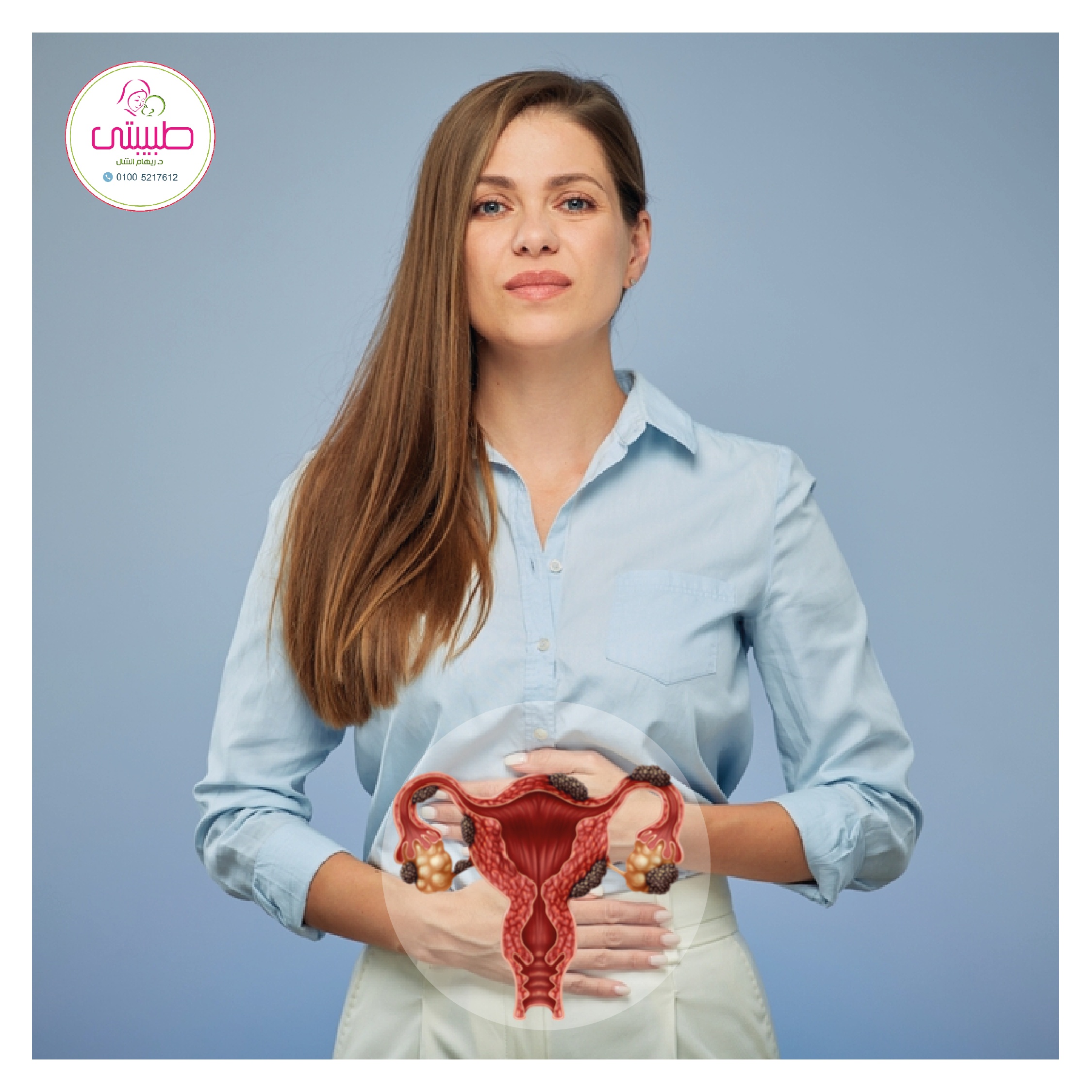
Many common causes of infertility—such as polycystic ovary syndrome (PCOS) and endometriosis—are linked to chronic inflammation. In these cases, CoQ10 levels in the fluid surrounding the eggs are often low, weakening egg quality and reducing their ability to divide and develop.

By restoring CoQ10 levels, inflammation can be reduced, egg quality can improve, and natural conception becomes more likely. But it doesn’t stop there—CoQ10 also helps strengthen embryos and improve gene expression within them, which reduces miscarriage risks and increases the chances of carrying a pregnancy to full term.

Does it help men too?

Yes! CoQ10 also plays a key role in improving sperm quality, making it beneficial for both male and female fertility.

Where can we get this substance?

The body produces it naturally, but levels may decline due to aging, inflammation, or even genetic factors. You can boost CoQ10 levels through:

1. Diet: Especially fatty fish, which is the richest source, followed by organ meats like liver, heart, and pancreas.

2. Supplements: CoQ10 is available as a medical supplement (only under medical supervision). The ideal dose to support fertility is 200 mg daily.

Are there any side effects?

Yes. Since CoQ10 is fat-soluble, taking too much of it can lead to side effects like diarrhea or skin rashes. That’s why it should never be taken without consulting a qualified doctor.

When do the effects start to show?

Unlike fast-acting medications, CoQ10 takes time. You’ll need at least 8 weeks (about two months) of regular use to begin noticing results. Patience and consistency are key when using it as part of a fertility plan.

The big question: Why does the body lose this substance?

1. Chronic inflammation: Just like how trash can pile up at home and require extra effort to clean, chronic inflammation puts strain on the body and reduces its ability to produce CoQ10.

2. Aging: As we grow older, the body’s natural production of CoQ10 slows down, increasing the need for dietary or supplemental support.

The most important advice?

Start with a healthy diet, especially fish and organ meats rich in CoQ10. Only consider supplements with the guidance of a fertility specialist. While CoQ10 supplements are incredibly beneficial, they are not toys—misusing them can cause harm instead of good.

And if you’re struggling with infertility, we’ve compiled all the essential information and scientifically supported lessons in one organized place—designed to help you understand your body and reach your motherhood dream, step by step.

Follow the topics here:
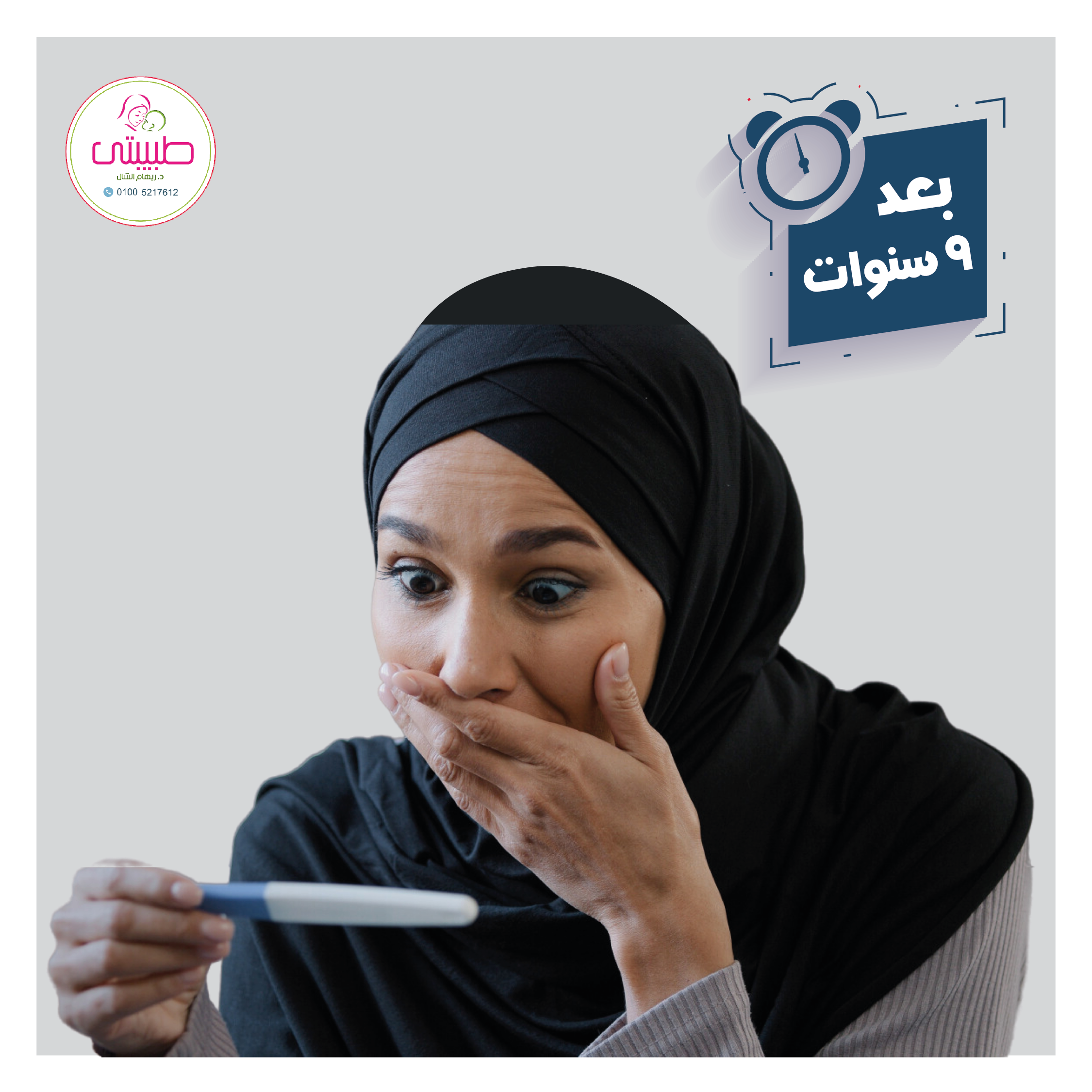
حين يقول الله “كن”.. تحدث المعجزة: قصة حمل بعد تسع سنوات من الانتظار

في لحظة بنكون خلاص فقدنا الأمل، وافتكرنا إن مافيش أمل، بتجيلنا حاجة تغيّر كل حاجة.

القصة اللي بحكيها النهارده من أقرب وأجمل القصص اللي مرت علينا. بطلتها ست قوية، جاية من بلد بعيد، وكل هدفها إنها تحقّق حلم الأمومة، الحلم اللي فضلت تسع سنين كاملة بتحاول توصله، من غير نتيجة.

تسع سنين بتدور، بتسأل، بتجرب كل حاجة ممكنة. وفي الآخر، اتقال لها بكل وضوح:

“فرص الحمل عندك ضعيفة جدًا… بل مستحيلة.”

بس رغم كل ده، فضلت متمسكة بالأمل.

وفي يوم من الأيام، وهي بتتفرج على فيديوهات في يوتيوب، وقعت على قناتنا. بدأت تسمع وتقرأ وتفهم أكتر عن أسباب تأخر الحمل، وخصوصًا الحمل المتأخر. ووقتها حسّت إنها لقت معلومة كانت مستنياها من زمان.

وأخيرًا خدت قرارها، وهي على الطيارة:

هتجرب الحقن المجهري.

ده كان بالنسبالها أمل أخير، خطوة نهائية.

وصلت العيادة، مستعدة تبدأ البروتوكول على طول، لكنها اتفاجئت إننا اقترحنا عليها حاجة مختلفة تمامًا.

قلنا لها:

“خلينا نتابع التبويض الأول، من غير تدخلات كبيرة ولا أدوية قوية.”

رد فعلها؟ ماكنش إيجابي خالص.

اتضايقت جدًا، وقالت لنفسها: إزاي أجي من آخر الدنيا علشان أبدأ من الصفر؟

بس فضلنا نشرحلها ليه الخطوة دي مهمة.

قلنا لها:

“إحنا محتاجين نفهم جسمك، نعرف دورتك ماشية إزاي، نحدد حالتك بدقة. حتى لو رجعنا نعمل الحقن المجهري، نكون بنبدأ بشكل مظبوط مش عشوائي.”

وبالفعل، وافقت. كانت مش مقتنعة قوي، بس مشيت معانا، بدأنا نتابع من غير أي أدوية قوية، مجرد شوية فيتامينات وعلاج خفيف.

مرت الأيام، والدورة خلصت، ورجعت لنا تاني علشان تبدأ البروتوكول اللي كانت مستنياها.

بس المرادي، حصلت المفاجأة.

ما جابتش تحاليل، ما سألتش عن الخطوات الجاية.

طلعت اختبار حمل… وطلع إيجابي.

كلنا وقفنا في صدمة. هو ده ممكن؟ بعد تسع سنين؟من غير عمليات؟ من غير حقن؟ آه… ربنا أراد، وقال للحاجة “كن”، فكانت.

ومن اللحظة دي، افتكرنا إن الطب سبب، لكن مش هو كل حاجة.

الإرادة الإلهية فوق أي حاجة، والمعجزات بتحصل فعلاً، لما نيأس تمامًا.

القصة دي علّمتنا كتير. علمتنا إن الأمل مش رفاهية، وإن الإيمان مش بس في الكلام، لكنه كمان في الصبر.

عشان كده، حبينا نشارك القصة معاكم، لأننا عارفين إن في ناس كتير ممكن يكونوا في نفس الموقف، حاسين باليأس، بالإحباط، بالخذلان.

بس يمكن… تكون معجزتك قريبة جدًا.

لو عايز تشوف القصة الكاملة، تقدر تشوف الفيديو من هنا:

ولو بتدوري على معلومات علمية ومرتبة عن تأخر الحمل، جمعنالك كل حاجة في مكان واحد يساعدك تفهمي جسمك وتوصلي لحلمك بخطوات واضحة ومدروسة.

تابعي المواضيع من هنا:

رسالة لكي من بطلات سبقوكي لتحقيق حلم أمومتهم – TBIBTY طبيبتي

When God Says “Be”… the Miracle Happens: A Pregnancy After Nine Years of Waiting


Sometimes, life surprises us without warning.

In a single moment—just when we’ve given up and believed that there’s no hope—something happens that changes everything.

The story I’m sharing today is one of the dearest and most beautiful we’ve ever encountered.

Its heroine is a strong woman who came from a faraway country, with one goal: to achieve her dream of becoming a mother—a dream she spent nine full years pursuing, without success.

Nine years of searching, asking, and trying everything possible.

And in the end, she was told—very clearly:

“Your chances of getting pregnant are very low… almost impossible.”

But despite it all, she held onto hope.

One day, while watching videos on YouTube, she stumbled across our channel.

She started listening, reading, and learning more about the causes of delayed pregnancy—especially late-age pregnancy.

That’s when she felt she had finally found the piece of information she had been waiting for.

She made her decision, right there on the plane:

She would try IVF (in vitro fertilization).

To her, this was the final hope, the last step.

She arrived at the clinic, ready to start the protocol immediately—

But to her surprise, we suggested something completely different.

We told her:

“Let’s monitor ovulation first, without strong medications or major interventions.”

Her reaction?

It wasn’t positive at all.

She was very upset and thought to herself, “How could I come all this way just to start from scratch?”

But we kept explaining why this step was important.

We said:

“We need to understand your body. To know how your cycle is functioning. To assess your condition precisely. Even if we return to IVF, we want to begin from the right starting point—not blindly.”

And eventually, she agreed.

She wasn’t fully convinced, but she went along with us.

We started monitoring her cycle without strong medications—just a few vitamins and mild treatment.

Days passed, the cycle ended, and she came back to us again to begin the protocol she had been waiting for.

But this time… the unexpected happened.

She didn’t bring any test results.

She didn’t ask about the next steps.

She took a pregnancy test… and it was positive.

We all stood in shock.

Could this really be happening? After nine years?

Without surgery? Without injections?

Yes… God had willed it. He said “Be,” and it was.

From that moment, we were reminded that medicine is just a means—but it isn’t everything.

Divine will surpasses all, and miracles truly do happen—especially when we’ve reached the point of despair.

This story taught us so much.

It taught us that hope is not a luxury, and that faith is not just words—it’s also found in patience.

That’s why we wanted to share this story with you—because we know there are many out there in the same position, feeling hopeless, disappointed, heartbroken.

But maybe… your miracle is very, very close.

To watch the full story, click here:

👉 https://youtu.be/HLg7TA_ayhA?si=GQIZ4vU4e8Ax4aR7

And if you’re looking for well-organized, scientific information about delayed pregnancy, we’ve gathered everything you need in one place to help you understand your body and reach your dream step by step.

Follow the topics here:

أخطاء قد تقع فيها الأمهات وتؤثر على خصوبة بناتهن (الجزء الأول)

في كثير من الأحيان، تمر الأمهات على بعض العلامات الصحية المهمة في حياة بناتهن مرور الكرام، إما عن جهل أو بسبب الانشغال أو بسبب الاعتقاد الخاطئ أن كل شيء سيتحسن مع الوقت. لكن هناك أمور لا ينبغي السكوت عنها، لأنها تؤثر بشكل مباشر على الخصوبة والصحة الإنجابية للبنات، وقد تسبب مشكلات خطيرة إذا لم يتم التعامل معها في وقت مبكر.

تأخر البلوغ: متى يصبح مدعاة للقلق؟

من أكثر الأمور التي قد تُغفلها الأم هي تأخر نزول الدورة الشهرية عند الفتاة. من المهم أن تعلم كل أم أن أقصى سن طبيعي لبدء الدورة الشهرية هو 16 سنة. فإذا تجاوزت البنت هذا العمر ولم تبدأ الدورة، يجب عدم التأجيل أو الانتظار، بل يجب التوجه فورًا للطبيب لمعرفة السبب.

في هذه المرحلة، يُطرح سؤال مهم: هل الدورة الشهرية تكونت أصلًا أم لم تتكوّن بعد؟

وإن كانت الدورة تتكون داخل الرحم، فهل تنزل فعلًا وتخرج من الجسم بشكل طبيعي؟ أم أنها تتكون ولا تنزل؟

الدورة المخفية: حالة نادرة لكنها خطيرة

قد يحدث أحيانًا أن تكون الدورة الشهرية تتكوّن بالفعل داخل الرحم، ولكنها لا تخرج من الجسم بسبب مشكلة نادرة تُسمى “كريبتومينوريا” أو الدورة الخفية. في هذه الحالة، يكون غشاء البكارة مغلقًا تمامًا، على عكس الوضع الطبيعي الذي يُفترض أن يكون فيه الغشاء مفتوحًا بشكل جزئي ليسمح بخروج دم الدورة.

لمشاهدة الفيديو من هنا: https://youtu.be/iykHTuzcO8U?si=Kvy1pslTJRFaUDGY

عندما يكون الغشاء مغلقًا تمامًا، يتجمع دم الدورة في المهبل دون أن تلاحظ الأم أو البنت أي شيء. ثم تبدأ الدورات التالية في التكوّن والتراكم مرة بعد مرة: أولًا في المهبل، ثم في عنق الرحم، وبعدها في تجويف الرحم نفسه.

ومع الوقت، يزداد تراكم الدم بشكل كبير لدرجة قد تؤدي إلى تضخم الرحم حتى يصل إلى حجم قريب من حجم الحمل!

وهنا قد تلاحظ الأم أن بطن ابنتها بدأت تكبر، لكنها لا تقلق لأن الدورة لم تأتِ للبنت أصلًا، فتظن أنها مجرد زيادة في الوزن وتغض الطرف عن الموضوع.

أما في بعض المناطق التي يفتقر فيها الناس للوعي والمعرفة، فقد يتخيل البعض أمورًا أسوأ، مما قد يتسبب في ضغط نفسي على الفتاة وأهلها، لذلك من المهم جدًا أن يتم التحقق من هذه الأمور طبيًا قبل إصدار أي أحكام أو تصورات خاطئة.

أهمية الوعي والتواصل مع الفتاة

أحيانًا تعاني البنت من مغص شهري شديد، لكنها لا تجرؤ على الحديث عنه مع والدتها خوفًا من أن تُلام وتتهم إنها “بتدلع”

وهنا يأتي دور الأم: أن تكون مصدر الأمان، وأن تبادر هي بالسؤال والاحتواء، وأن تفتح باب الحوار مع ابنتها وتُشعرها بالثقة والأمان.

قولي لها:

أنا هنا علشان أسمعك، وأفهمك، وربنا رزقني بيك عشان أكون معاك في كل خطوة.

وجودك كأم داعمة ومتفهمة هو عنصر أساسي في حماية صحة ابنتك النفسية والجسدية على حد سواء.

انتبهي لبطن ابنتك… حتى وإن كانت تأتيها الدورة

في حالات أخرى، قد تبدأ الدورة بشكل طبيعي، لكن تلاحظ الأم أن بطن الفتاة يكبر، وتظن أنها أكلت كثيرًا أو زاد وزنها. وهنا أيضًا، يجب الانتباه.

فمن الممكن أن تكون هناك أكياس على المبيض أو ورم ليفي (لا قدر الله) تسبب هذا الانتفاخ.

وهذا لا يمكن التحقق منه إلا من خلال فحص سونار بسيط لا يستغرق أكثر من خمس دقائق، لكنه يريح قلب الأم ويكشف الحقيقة ويطمئن الجميع.

ساعدي غيرك وكوني سببًا في توعية الأمهات

لو استفدتِ من هذه المعلومات، فلا تبخلي على غيرك.

اعملي إعجاب (لايك) وشاركي الفيديو أو المقال مع والدتك أو صديقاتك من الأمهات، لأن كل أم تستحق أن تعرف هذه التفاصيل التي قد تنقذ حياة بنتها أو تحفظ خصوبتها في المستقبل.

وإذا كنتِ أماً، فلا تنتظري حتى تتعقد الأمور، بل شاركي هذه المعلومات مع باقي الأمهات. التوعية هي أول خطوة في الوقاية، وكلمة منك قد تغيّر حياة بنت أخرى.

ولو بتاعني من تأخر الإنجاب، جمعنا لك هنا كل الموضوعات الخاصة بتأخر الحمل في دورس مفصلة بمعلومات علمية موثقة ومرتبة، علشان نساعدك توصلي لحلم الأمومة اللي تستحقيه: 

رسالة لكي من بطلات سبقوكي لتحقيق حلم أمومتهم – TBIBTY طبيبتي

Mistakes Mothers Might Make That Affect Their Daughters’ Fertility (Part One)


Many times, mothers overlook important health signs in their daughters’ lives—either due to a lack of knowledge, being too busy, or mistakenly believing that “everything will get better with time.” However, there are matters that should not be ignored, as they directly impact fertility and reproductive health, and may cause serious issues if not addressed early.

Delayed Puberty: When Should It Be a Cause for Concern?

One of the most commonly overlooked concerns is the delayed onset of menstruation in girls. Every mother should know that the maximum normal age for the first menstrual period is 16 years. If a girl reaches this age without getting her period, it is critical not to delay or wait—it’s time to see a doctor immediately to determine the cause.

At this stage, a key question arises:

Has menstruation developed in the first place?

And if it has, is the blood exiting the body naturally? Or is it being formed but not released?

Cryptomenorrhea: A Rare but Serious Condition

Sometimes, menstruation is happening inside the uterus, but the blood is not exiting the body due to a rare condition called cryptomenorrhea, or “hidden menstruation.” In this case, the hymen is completely sealed, unlike the natural state in which it should have a small opening that allows menstrual blood to exit.

To watch the video: https://youtu.be/iykHTuzcO8U?si=Kvy1pslTJRFaUDGY

When the hymen is completely closed, the blood accumulates in the vagina without the mother or daughter noticing. Then, with each cycle, more blood builds up: first in the vagina, then in the cervix, and eventually in the uterine cavity.

Over time, the accumulation becomes so significant that the uterus can enlarge to a size comparable to pregnancy!

At this point, a mother might notice her daughter’s abdomen growing, but since the girl has never had her period, the mother assumes it’s just weight gain and dismisses it.

In some areas where awareness is low, people might even imagine worse scenarios, which can cause tremendous psychological pressure on the girl and her family. This is why it’s absolutely vital to address such concerns medically before jumping to any conclusions.

The Importance of Awareness and Communication with Your Daughter

Sometimes, a girl experiences severe monthly cramps but doesn’t dare to talk to her mother, fearing blame or being accused of exaggerating.

This is where the mother’s role comes in: to be a safe space, to initiate the conversation, to listen without judgment, and to build trust.

Say to her:

“I’m here to listen to you, to understand you, and God gave you to me so I could be with you through every step.”

Being a supportive and understanding mother is a fundamental part of protecting your daughter’s physical and emotional health.

Pay Attention to Your Daughter’s Abdomen… Even If She’s Getting Her Period

In other cases, menstruation may begin normally, but the mother notices her daughter’s abdomen is growing. She might assume it’s from overeating or weight gain. But again, attention is needed.

This could be due to ovarian cysts or even a uterine fibroid (God forbid), both of which can cause abdominal bloating.

The only way to verify this is through a simple ultrasound scan that takes less than five minutes—but brings great peace of mind and can uncover the truth.

Be the Reason Another Mother Is Informed

If you found this information helpful, don’t keep it to yourself.

Like the video or article, and share it with your mother or other moms you know—every mother deserves to know these crucial details that could protect her daughter’s fertility or even save her life.

And if you’re a mother yourself, don’t wait until things become complicated. Share this knowledge with others.

Awareness is the first step toward prevention, and a single word from you could change another girl’s life.

Six Mistakes Mothers Make That Affect Their Daughters’ Fertility (Part Two)


In this article, we highlight three common mistakes some mothers make that may negatively impact their daughters’ fertility in the future. These mistakes often stem from excessive worry or misconceptions, but they can leave long-lasting effects on girls’ mental and physical health.

First: Constant Comparison

Comparing girls to their peers is one of the most negative behaviors some mothers engage in. Whether the comparison is about academic achievement, appearance, or social skills, it places the girl under significant psychological pressure. This stress can lead to hormonal imbalances, such as elevated cortisol levels, which affect the menstrual cycle and ovulation. Additionally, the girl may resort to consuming large amounts of sugar as a way to relieve stress, increasing the risk of insulin resistance and polycystic ovary syndrome (PCOS), both common causes of delayed pregnancy.

Second: Incorrect or Absent Sexual Education

Excessive fear of discussing sexual matters leads to a lack of awareness among girls. When a girl is raised to believe that talking about her body or reproductive health is taboo, she may enter marriage without sufficient understanding, leading to intimacy problems and even marital failure. It is essential for mothers to provide accurate and age-appropriate information to their daughters about sexual and reproductive health, or to seek reliable sources to deliver this information.

To watch the video: https://youtu.be/e1zxQrby_tg?si=mdxmS7ERWX5nRijw

Third: Ignoring Genetic History Related to Fertility

Some mothers suffer from fertility issues, such as diminished ovarian reserve, without considering the impact on their daughters. It is important to have medical follow-up for girls at an early age if there is a family history of fertility problems. In some cases, considering egg freezing as a future option to preserve fertility may be appropriate. Early awareness can give girls broader options and reduce stress related to future conception.

In Conclusion…

Mothers play a crucial role in shaping their daughters’ mental and physical health. By avoiding negative comparisons, providing correct sexual education, and paying attention to the genetic history of fertility, mothers can support their daughters in building a healthy and safe future. Open and trust-based communication is the foundation of this support.

If you are struggling with infertility, we have gathered here all the topics related to delayed pregnancy in detailed, scientifically documented, and organized lessons to help you achieve the motherhood dream you deserve:

٦ اخطاء تقع فيها الأمهات وتؤثر على خصوبة بناتهم (الجزء الثاني) 

في هذا المقال، نسلط الضوء على ثلاثة أخطاء شائعة تقع فيها بعض الأمهات، والتي قد تؤثر سلبًا على خصوبة بناتهن في المستقبل. تأتي هذه الأخطاء نتيجة للقلق الزائد أو المفاهيم الخاطئة، لكنها قد تترك آثارًا طويلة الأمد على الصحة النفسية والجسدية للفتيات.

أولًا: المقارنة المستمرة

تعد المقارنة بين الفتيات وأقرانهن من أكثر السلوكيات السلبية التي تمارسها بعض الأمهات. سواء كانت المقارنة تتعلق بالتحصيل الدراسي، أو المظهر، أو المهارات الاجتماعية، فإنها تضع الفتاة تحت ضغط نفسي كبير. هذا الضغط يمكن أن يؤدي إلى اضطرابات في الهرمونات، مثل زيادة هرمون الكورتيزول، مما يؤثر على الدورة الشهرية والتبويض. بالإضافة إلى ذلك، قد تلجأ الفتاة إلى تناول كميات كبيرة من السكريات كوسيلة للتخفيف من التوتر، مما يزيد من خطر الإصابة بمقاومة الإنسولين وتكيس المبايض، وهما من الأسباب الشائعة لتأخر الحمل .  

ثانيًا: التوعية الجنسية الخاطئة أو غيابها

يؤدي الخوف المفرط من الحديث عن الأمور الجنسية إلى نقص التوعية لدى الفتيات. عندما تُربى الفتاة على أن الحديث عن جسدها أو صحتها الإنجابية من المحرمات، فإنها قد تدخل الحياة الزوجية دون فهم كافٍ، مما يؤدي إلى مشاكل في العلاقة الحميمة، وقد يصل الأمر إلى فشل العلاقة الزوجية. من الضروري أن تقدم الأمهات معلومات صحيحة ومناسبة لأعمار بناتهن حول الصحة الجنسية والإنجابية، أو الاستعانة بمصادر موثوقة لتقديم هذه المعلومات.

لمشاهدة الفيديو من هنا: https://youtu.be/e1zxQrby_tg?si=mdxmS7ERWX5nRijw

ثالثًا: تجاهل التاريخ الوراثي في الخصوبة

قد تعاني بعض الأمهات من مشاكل في الخصوبة، مثل ضعف مخزون المبيض، دون التفكير في تأثير ذلك على بناتهن. من المهم أن تكون هناك متابعة طبية للفتيات في سن مبكرة إذا كان هناك تاريخ عائلي لمشاكل الخصوبة. في بعض الحالات، قد يكون من المناسب التفكير في تجميد البويضات كخيار مستقبلي للحفاظ على فرص الحمل. الوعي المبكر يمكن أن يمنح الفتيات خيارات أوسع ويقلل من التوتر المرتبط بالإنجاب في المستقبل.

في النهاية..

تلعب الأمهات دورًا حاسمًا في تشكيل صحة بناتهن النفسية والجسدية. من خلال تجنب المقارنات السلبية، وتقديم توعية جنسية صحيحة، والانتباه للتاريخ الوراثي في الخصوبة، يمكن للأمهات دعم بناتهن في بناء مستقبل صحي وآمن. التواصل المفتوح والمبني على الثقة هو الأساس في هذا الدعم

ولو بتاعني من تأخر الإنجاب، جمعنا لك هنا كل الموضوعات الخاصة بتأخر الحمل في دورس مفصلة بمعلومات علمية موثقة ومرتبة، علشان نساعدك توصلي لحلم الأمومة اللي تستحقيه: 

رسالة لكي من بطلات سبقوكي لتحقيق حلم أمومتهم – TBIBTY طبيبتي

IVF Is Not a Promise of Pregnancy… But There Is Always Hope!

Many people start the IVF journey thinking it’s a magical solution, and that “pregnancy must happen.” But the truth every woman needs to know is this: IVF is not a promise of pregnancy; it is just one of many methods we use. The outcome is always in the unknown, in God’s hands.

Let me share this story, which happened with one of Dr. Riham El Shal’s patients, Specialist in Obstetrics, Gynecology, IVF, and Infertility.

Five years of waiting.

Since 2021, she had been trying for five years with delayed pregnancy. One of her fallopian tubes was completely blocked, and the other was partially functional. Her ovaries responded very weakly to stimulation. She had severe ovarian cysts, and we were cautious about ovarian hyperstimulation. We continued carefully until it was time for IVF.

We started and froze embryos.

God blessed us in the first attempt, and we produced eight excellent embryos. We split them into two groups of four and decided to start with one group. We transferred the first four embryos and waited for the test… the result was negative. No pregnancy.

The first shock.

Like any hopeful mother, the disappointment was huge, especially since everyone around her said: “Next time, you will definitely get pregnant.”

We transferred the second group of four embryos. She had great hope and felt all the pregnancy symptoms… but again, the result was negative. No pregnancy.

To watch the video: https://youtu.be/RwOtP7OWNhc?si=nCcawU-2Qz7OsYKO

Did she come back? Yes, and to the same doctor!

Despite the disappointment, she came back after a year and said, “I trust you, and I will try again.” The decision was surprising, but honestly, sometimes the patient’s trust is a great motivator.

But before starting IVF again from scratch, we decided to try something simple.

We said: Let’s give a mild stimulation cycle and monitor ovulation on the healthy ovary, without pressure, waiting, or planning anything complicated. Just a natural chance.

And the surprise…

After two weeks, we did a pregnancy test… and the result was positive!

Pregnancy happened naturally despite all the previous medical issues. No IVF, no surgeries, no catheters. Just mild stimulation and God’s grace.

And the biggest surprise? It was not a normal pregnancy… it was a twin pregnancy!

God compensated her after six years of patience.

The joy was immense, not just because she got pregnant, but because she conceived at a time she had forgotten everything. She wasn’t even expecting it, was living her life normally — traveling, going out, celebrating — and then she found out she was pregnant with twins.

SubhanAllah, as if God chose the right time for her, when she was truly ready in every way.

In the end…

IVF is not a promise of pregnancy. It is just a method. Many cases fail with IVF, but God blesses them with a natural pregnancy. Not because they tried harder than they could, but because they surrendered to God’s timing and cared about the simplest things — follow-up, mild stimulation, and psychological support.

A final message to everyone reading now: If you went through a difficult experience or felt hopeless, know that there is a time reserved for you… God wrote it long ago.

If you are struggling with infertility, we have gathered here all the topics related to delayed pregnancy in detailed, scientifically documented, and organized lessons to help you reach the motherhood dream you deserve:

من مخزون 0.1 إلى حمل طبيعي… حكاية أمل

“يا أهلاً وسهلاً، والله يا دكتور، ما أقدر أوصف فرحتي، الحمد لله، ألف مبروك لنفسي وأقولها من قلبي: “أنا حامل، بعد ما كان مخزون المبيض عندي 0.1 بس!”.

ده كان كلام الحالة لدكتورة ريهام الشال اخصائي طب وجراحات النساء والتوليد والحقن المجهري وتأخر الإنجاب لما عرفت إنها حامل، وهي هتجيك لنا قصتها، ورأيها في الاستشارة الأونلاين:

فاكرة أول مرة كلمتك فيها؟ كنت بضحك، وكان عندي طاقة نفسية حلوة، ووقتها قلت لي: “أنا عايزة النفسية دي، خليكِ كده!”

والله العظيم، الرضا والحمد لما الإنسان يعرف إن اللي ربنا كتبه له هو الخير، ساعتها بس بيرتاح قلبه.

كنت وقتها صغيرة في العمر، لكن فجأة جاني خبر إن المخزون أقل من 1، فتخيلوا الصدمة! حسيت إن الموضوع انتهى. بس قلت: “أنا محتاجة رضا، قناعة، إن هذا قدر الله، ولما أرضى، ربنا هيكرمني”.

أول حاجة عملتها بعد الاستشارة الأونلاين؟ رحت سجدت لله شكرًا، ودعيتلك من قلبي يا دكتورة، لأنك كنت النور اللي مشى معاي في طريق مظلم.

أنا بصراحة كنت ما أحب عشبة “القسط الهندي”، ما عندي إيمان فيها، ما أعرف ليش، بس إنتِ قلتي لي إنها مفيدة، وقلتي لي كمان عن الميرمية، وما شرحتي كيف آخذها، بس قلتِ جربي، وجربت.

في نفس الشهر، اللي هو ديسمبر، كنت عملت أشعة صبغة للرحم، ومن بعدها جاتني أول دورة غزيرة، وسبحان الله حسيت إن جسمي بيتغير.

رحت عند دكتورة، شافت بطانة الرحم سميكة، وقالتلي: “كأنك حامل في الأسبوع الثاني أو الثالث”. وفعلاً قلتلها: “أنا متابعة مع دكتورة واسمها كذا”، قالتلي: “أنا أعرفها! سمعتها طيبة”.

الحمد لله، الله يسعدك يا دكتورة، ما قصرتي. كنتِ دايمًا هادية، شرحتِ لي كل خطوة، وعطيتيني أمل.

كنت مخططة أسافر مصر في ديسمبر، ورتبت كل شيء مع زوجي، حتى الشقة كنا مجهزينها، وكنا راح نطول هناك.

لكن سبحان الله، الحمل حصل في تركيا، وقت كنت تحت ضغط نفسي شديد، وما حسيت بألم تبويض، ولا شي، ومع ذلك حصل الحمل!

لمشاهدة الفيديو من هنا: https://youtu.be/–8l4NFAH88?si=cT-Mg0vMskoqAFlI

تابعت التبويض بنفسي، بالشرايط، وبالأعراض، وفي الشهر اللي ما قدرت أتابع فيه فعليًا، هو الشهر اللي ربنا كتب فيه الحمل.

التحليل؟ سويته قبل الدورة بأربع أيام، وما توقعت نتيجة، لكن المفاجأة؟ خط واضح، وحمل أكيد.

تخيلي؟ أول تحليل دم عملته، طلع إيجابي، وكنت مصدومة لأن مخزوني كان 0.1!

لما رجعت لتحليل المخزون، لقيته كان 23 قبل كم شهر، ثم نزل لـ13، وكنا فعلاً نجهز لحقن مجهري في مصر، كنا بنحجز مواعيد ونرتب السكن، لكن ربنا رتب غير كده.

رتبت كل حاجة، بين العيادة والسفارة، واخترنا مكان قريب، بس سبحان الله، الحمل جه من حيث لا نحتسب، من غير حقن ولا تدخل.

الخبر ده ما قلتلك إياه وقتها، بس كنت فرحانة، والنهارده لازم أقوله، لأنه شهادة أحتسب أجرها عند الله.

النبي صلى الله عليه وسلم قال: “إني مباهي بكم الأمم”، فإحنا بكثرة نسلنا بنفرح النبي، وربنا يكرمنا جميعًا بالذرية الصالحة.

والله، أنا متابعة شغلك، وتابعت 30-40 حلقة من اليوتيوب، ومعلوماتك ما شاء الله لا تعد ولا تحصى.

إنتي حالة خاصة دكتورة، شغلك نظيف، مافيش دعايات ولا بروباجندا، علم وخبرة ورحمة وأمانة.

وكل اللي حولك من الفريق كانوا بيباركولي، وبيقولوا: اسأليها، إيه دور الاستشارة الأونلاين؟

وأنا أقولها بصدق: بعد الله، السبب في الحمل ده هو إنتِ.

زرت 7 أطباء، وكلهم قالوا: “حقن مجهري”، و”لسه مش دلوقتي”، لكن إنتِ أول واحدة سمعتيني، وقلتِ لي: “نعطي فرصة، ونعالج”، وبالفعل، زوجي كان عنده ضعف، وعالجناه، وأنا بدأت أشتغل على نفسي.

وعرفت منك أتابع تبويضي، وأفهم جسمي، ولما ارتحت نفسيًا، الحمل جه.

الحمد لله، ناوية أجي مصر، ونتصور مع بعض على الزوم، مثل ما صورنا مع مالك من بريطانيا.

زوجي يحب مصر، وسافرنا لها أكثر من 3 مرات في أقل من 9 شهور. وإن شاء الله، نجيك بيه، كامل، تشيليه وتتباركي بيه.

أنا فخورة إني تواصلت معاك، وإنك اخترتينا نتابع معاك، وإن شاء الله نكمل الرحلة سوا.

شكراً يا دكتورة، على كل كلمة، على صبرك، على دعمك، على إنك مشيتِ معاي خطوة بخطوة… الله يسعدك ويزيدك، ويرزقك من حيث لا تحتسبين، مثل ما كنت سبب لفرحتي

ولو بتاعني من تأخر الإنجاب، جمعنا لك هنا كل الموضوعات الخاصة بتأخر الحمل في دورس مفصلة بمعلومات علمية موثقة ومرتبة، علشان نساعدك توصلي لحلم الأمومة اللي تستحقيه: 

رسالة لكي من بطلات سبقوكي لتحقيق حلم أمومتهم – TBIBTY طبيبتي

ترقق بطانة الرحم: السبب الأخطر لتأخر الإنجاب وهل له علاج؟

في رحلة الحمل، كل جزء في جسم المرأة يلعب دورًا مهم، لكن في “بطل صامت” لا يقل أهمية عن البويضة نفسها، وهو بطانة الرحم. فحتى لو كانت البويضة ممتازة، وتم تلقيحها بنجاح، فإن فشل البطانة في استقبال الجنين قد يكون العقبة الأكبر أمام حدوث الحمل.

ما هي بطانة الرحم ولماذا هي مهمة؟

بطانة الرحم هي الطبقة الداخلية من الرحم، والتي تستعد كل شهر لاستقبال جنين محتمل. خلال الدورة الشهرية، وتحديدًا بعد انتهاء نزول الدم، تبدأ البطانة في النمو تحت تأثير الهرمونات، وتصل إلى سمك معين في فترة التبويض لتكون مستعدة لاستقبال البويضة المخصبة.

لو لم يحدث تخصيب، تنزل هذه البطانة على هيئة الدورة الشهرية، وتبدأ الدورة من جديد.

لكن، في بعض الحالات، تكون هذه البطانة رقيقة جدًا، وغير قادرة على دعم أو احتضان الجنين، مما يؤدي إلى فشل عملية الزرع وبالتالي تأخر الحمل.

ما أسباب ترقق بطانة الرحم؟

1. اضطراب في الهرمونات:

• نقص في إفراز الهرمونات المسؤولة عن نمو البطانة.

• أو وجود هرمونات تعاكس عملها، مثل ارتفاع هرمون الحليب (البرولاكتين)، أو اضطرابات الغدة الدرقية.

2. مشاكل في البطانة نفسها:

• أحيانًا تكون المشكلة في “الطبقة الأصلية” من البطانة، وهي الطبقة التي تُنتج بطانة الرحم كل شهر.

• بعض الجراحات مثل عمليات الكحت بعد الإجهاض أو النزيف الشديد قد تزيل هذه الطبقة دون قصد.

3. الالتهابات المزمنة:

• بعض الالتهابات الشديدة، اللي بتصل إلى الحوض، قد تسبب  ضررًا كبيرًا بالبطانة وتؤدي إلى التصاقات أو تدمير للطبقة الأصلية منها.

4. التدخلات الطبية السابقة:

• مثل العلاج الإشعاعي أو الكيماوي، أو أي تدخل جراحي في الرحم.

لمشاهدة الفيديو من هنا: https://youtu.be/k6RtmekhpM0?si=C_BnpuX4Xf7FIFAV

هل هناك علاج لترقق بطانة الرحم؟

نعم، في كثير من الحالات يمكن علاجها حسب السبب:

تنظيم الهرمونات: بالأدوية المناسبة، سواء لتحفيز الهرمونات الناقصة أو تقليل المؤثرة سلبًا.

أدوية لتحفيز نمو البطانة: مثل الإستروجين، أو أدوية تساعد على زيادة تدفق الدم إلى الرحم.

البروتوكولات الخاصة بالحقن المجهري: في بعض الحالات، يتم تأجيل إرجاع الأجنة المجمدة إلى دورة أخرى تُظهر استجابة أفضل للبطانة.

التعامل مع الالتهابات: من خلال العلاج المناسب لمنع تلف إضافي في البطانة.

تدخلات محددة لتحسين البيئة داخل الرحم: مثل الحقن داخل الرحم بالدم الغني بالصفائح أو عوامل نمو مخصصة.

هل يمكن حدوث الحمل رغم بطانة رقيقة؟

المفاجأة السعيدة هي: نعم!

في حالات حملت على بطانة لا تتجاوز 8 ملم، كمان في حالات حملت رغم وجود التصاقات أو ضعف كبير في البطانة. الحمل ليس معجزة طبية فقط، بل أيضًا أمر متعلق بمشيئة الله. فهناك حالات فشلت فيها كل الوسائل، ثم حدث الحمل فجأة.

في الختام..

ترقق بطانة الرحم من الأسباب الخفية والخطيرة لتأخر الإنجاب. قد يحدث بسبب:

• اضطرابات هرمونية

• التهابات مزمنة

• جراحات سابقة

• مشاكل في تكوين البطانة نفسها

لكن رغم خطورته، هناك أمل. العلاج ممكن، والتحسن وارد، والنتائج أحيانًا تفوق التوقعات. أهم ما يمكن للمرأة فعله هو المتابعة مع الطبيب المختص، والقيام بكل الفحوصات اللازمة، وعدم فقدان الأمل

ولو بتاعني من تأخر الإنجاب، جمعنا لك هنا كل الموضوعات الخاصة بتأخر الحمل في دورس مفصلة بمعلومات علمية موثقة ومرتبة، علشان نساعدك توصلي لحلم الأمومة اللي تستحقيه: 

رسالة لكي من بطلات سبقوكي لتحقيق حلم أمومتهم – TBIBTY طبيبتي