
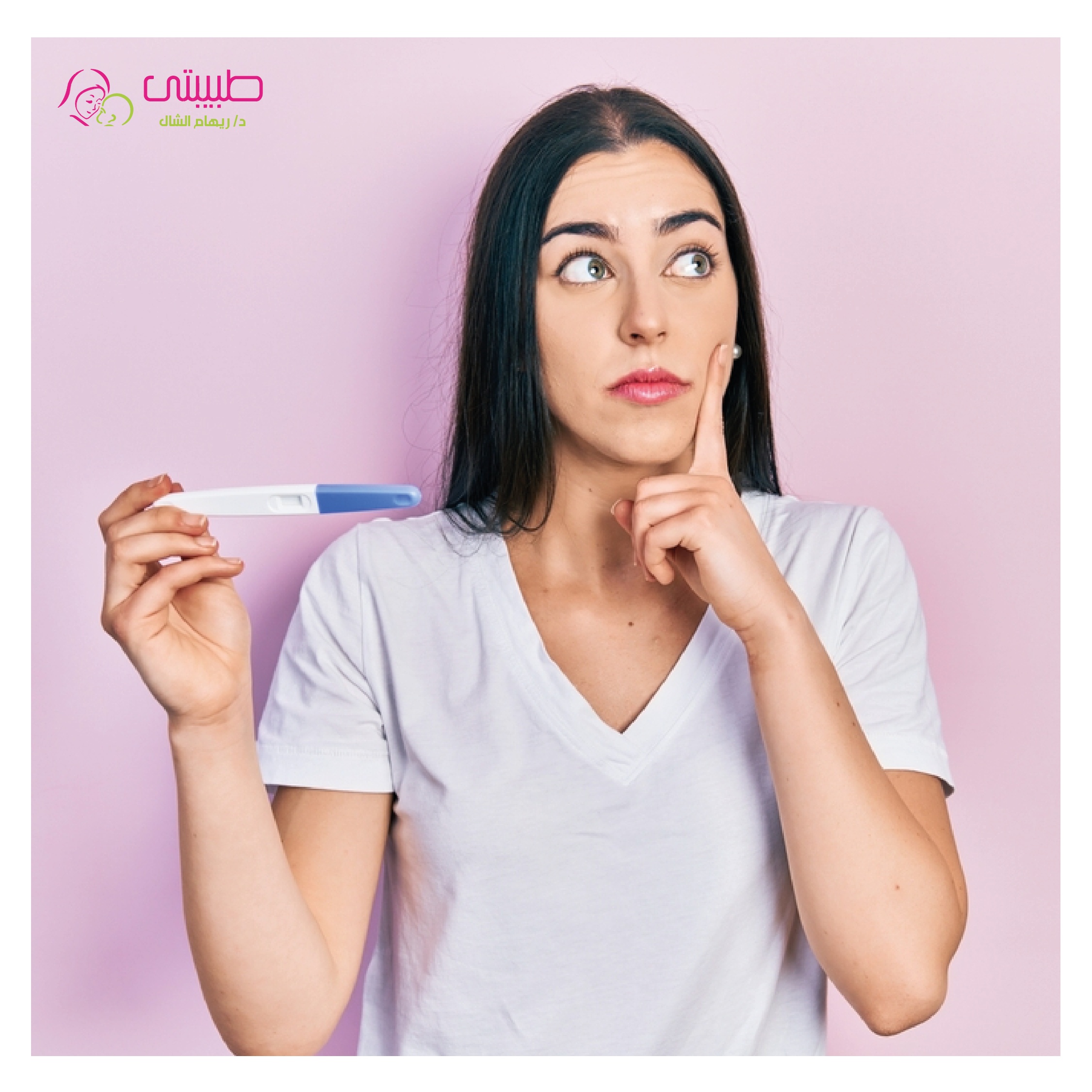
Is the home pregnancy test 100% accurate?

Many women resort to a home pregnancy test to find out whether they are pregnant or not. But are these tests 100% accurate?

the answer

The simple answer is no, home pregnancy tests are not 100% accurate.

Reasons for inaccuracy

When to take the test: It is recommended to take a home pregnancy test at least a week after your late period. The later the cycle, the more accurate the test.

Type of home pregnancy test: The accuracy of home pregnancy tests varies depending on their type. Some are more accurate than others.

The amount of hCG in the urine: The higher the amount of hCG in the urine, the more accurate the test.

Medications: Some medications may interact with a home pregnancy test and lead to incorrect results.

Medical conditions: Some medical conditions, such as polycystic ovary syndrome or miscarriage, may affect the accuracy of a home pregnancy test.

False negative results

In some cases, a home pregnancy test may show a negative result when the woman is actually pregnant.

Causes of false negative results

Test early: As mentioned earlier, the later the cycle, the more accurate the test.

Low level of pregnancy hormone: The level of pregnancy hormone in urine may be low at the beginning of pregnancy, which may lead to a false negative result.

Not following test instructions exactly: It is important to follow test instructions exactly to ensure a correct result.

False positive results

In rare cases, a home pregnancy test may show a positive result when the woman is not actually pregnant.

Causes of false positive results

Chemical pregnancy: It is an early loss of pregnancy in the first weeks.

The presence of the pregnancy hormone in the urine for other reasons: The pregnancy hormone may be present in the urine for reasons other than pregnancy, such as certain medications or ovarian problems.

Recommendations

If you have any doubts about the result of a home pregnancy test, it is best to see a doctor for a blood test. It is recommended to perform a blood test to measure the pregnancy hormone (hCG) to definitively confirm pregnancy.

Do not rely on a home pregnancy test alone to confirm or deny pregnancy.

In conclusion

Home pregnancy tests are a useful tool, but they are not 100% accurate. If you have any doubts about the result of a home pregnancy test, it is best to see a doctor.

Signs that may delay pregnancy: Surprises you may not expect!

The journey of pregnancy is a unique experience full of hope and expectations, but some women may face difficulties in achieving the dream of having children. In this article, we will reveal 7 signs that you may not expect that may delay your chances of getting pregnant, and provide you with the necessary tips to deal with them effectively.

1. Cold extremities

Cold extremities may be an indicator of hypothyroidism, a condition that affects the production of hormones necessary to regulate metabolism, including ovarian function.

2. Severe menstrual pain

While some period pain is normal, excessive severity may indicate conditions such as endometriosis, which affects a woman’s fertility.

3. Absence of menstrual pain

The absence of menstrual pain may be a sign that ovulation has not occurred, which is necessary for pregnancy.

4. Milk secretions from the breast

Milk secretions from the breasts may indicate high levels of the hormone prolactin, which inhibits ovulation.

5. Weight gain

Obesity and being overweight may affect the hormonal balance and reduce the chances of pregnancy.

6. Excess facial hair

Excess hair on the face may be a sign of polycystic ovary syndrome, a hormonal condition that affects the ovulation process.

7. Menstrual disorders

Absence of a regular menstrual cycle may indicate problems with ovulation or other hormonal problems that affect fertility.

Infections

Infections in the female genital area are among the factors that may delay or permanently hinder pregnancy.

Important tips

doctor consultation: If you notice any of these signs, it is important to consult a doctor to determine the root cause and get appropriate treatment.

Healthy lifestyle: Eating a balanced diet, exercising regularly, and getting enough sleep all contribute to improving fertility.

Reducing stress: Stress can negatively affect hormones and reproductive functions, so make sure to reduce stressors in your life.

In conclusion

Remember that delayed pregnancy does not necessarily mean there is a serious problem. With proper diagnosis and treatment, your chances of achieving your dream of having children increase.

Share this article with your friends and relatives, as knowledge is the key to health and happiness!

We wish you an easy and healthy pregnancy!