
Urinalysis for pregnant women: a key to preventing serious complications

Pregnancy is a unique journey full of physical and psychological changes for women. During this period, the health of the mother and fetus becomes a top priority.

In this article, we will talk about urinalysis for pregnant women, which is a simple examination that can help in early detection of serious problems that may threaten the safety of the mother and fetus.

What is a urine analysis for pregnant women?

It is a routine examination performed during pregnancy to examine a sample of a woman’s urine. This examination helps detect: Bacterial infection of the urinary tract: It is one of the most common complications during pregnancy, and may cause serious complications such as premature birth or low fetal weight.

High blood pressure: Protein in the urine can indicate preeclampsia, which is a serious condition that requires immediate medical care.

Diabetes: A urinalysis can show the presence of sugar in the blood, which may indicate gestational diabetes.

Kidney disease: Some changes in urinalysis may indicate the presence of kidney disease.

Why is urine analysis important for pregnant women?

Early detection of problems: Urine analysis helps in the early detection of many problems that may affect the health of the mother and fetus, which provides a better opportunity for treatment.

Prevention of complications: Through early treatment of problems detected through urine analysis, serious complications can be prevented.

Maintaining the health of the mother and fetus: Urine analysis helps ensure that the mother and fetus receive appropriate health care during pregnancy.

When should a pregnant woman perform a urinalysis?

It is recommended to perform a urine test for the first time when confirming pregnancy.

Urinalysis is repeated periodically during pregnancy, usually every month.

Some pregnant women may be asked to have urinalysis done more frequently, especially if they have symptoms such as burning urine or lower abdominal pain.

Urinalysis is repeated periodically during pregnancy, usually every month.

Some pregnant women may be asked to have urinalysis done more frequently, especially if they have symptoms such as burning urine or lower abdominal pain.

The tray should be filled with a sufficient amount of urine. The urine sample should be delivered to the laboratory as soon as possible.

How is a urinalysis performed for pregnant women?

The woman is given a container to collect a urine sample.

It is recommended to collect a urine sample early in the morning.

The genital area should be cleaned well before collecting the urine sample.

Tell your doctor about any symptoms you are experiencing, such as burning in the urine or lower abdominal pain.

Important tips

Make sure to drink enough water to keep your body hydrated.

Do not hesitate to ask your doctor any questions you have about urine analysis.

Urine analysis for pregnant women is a simple and easy examination that can help in early detection of many problems that may affect the health of the mother and fetus.

Make sure to perform a urine analysis periodically during pregnancy, and follow your doctor’s instructions to maintain good health for you and your fetus.


Retroverted uterus: everything you need to know

“Everted uterus” is a common term used to describe when the uterus is tilted backwards instead of its normal forward position. This condition affects approximately 20% of women, and often does not cause any symptoms or health problems.

What is a retroverted uterus?

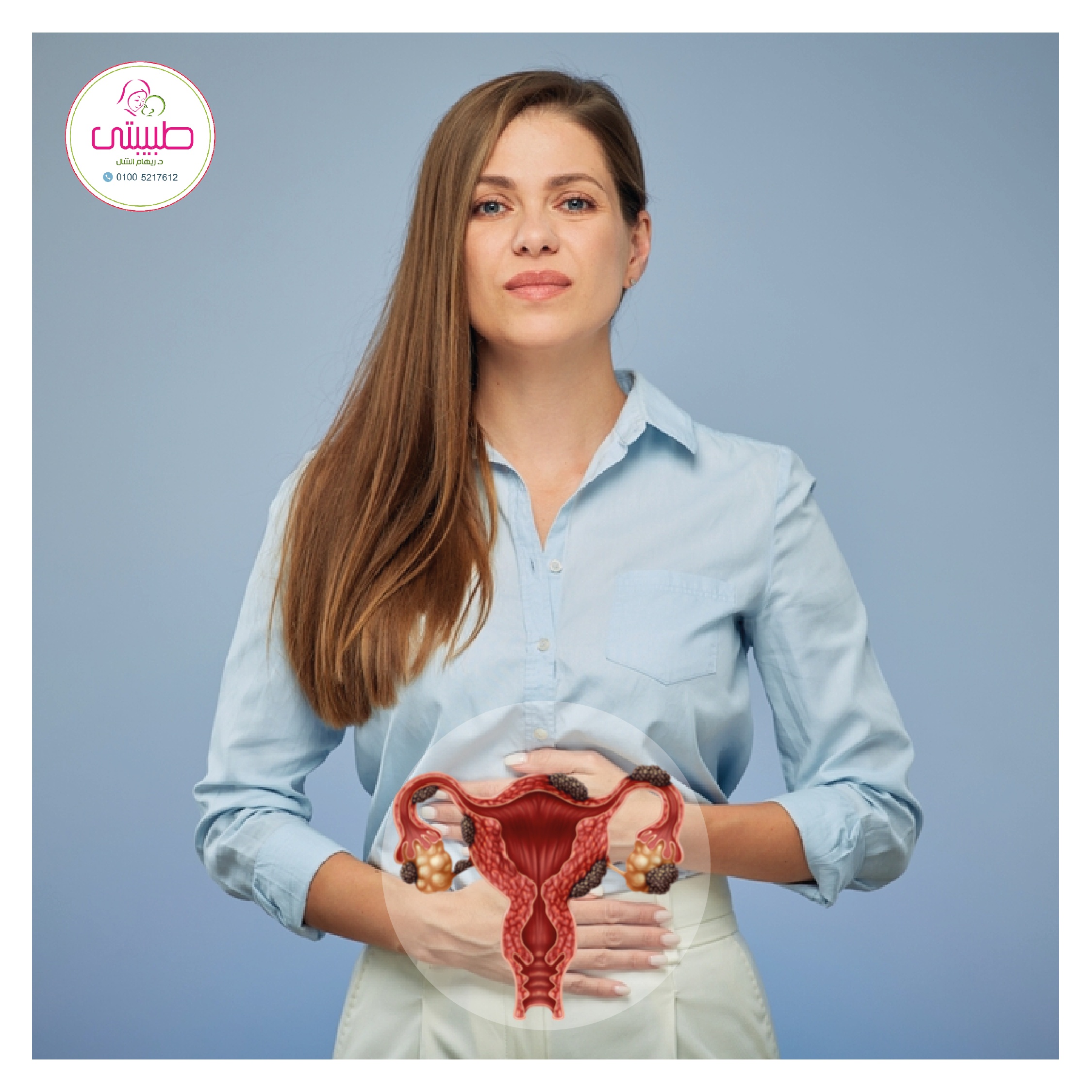
In its normal position, the uterus is arched, tilted forward over the bladder. While in the case of a retroverted uterus, the uterus tilts back toward the rectum.

Causes of uterine tilt
The causes of uterine tilt are varied, and include

Genetic causes: Genes play a role in determining the position of the uterus.

Gynecological diseases: such as endometriosis and fibroids. Surgery: Some surgeries in the pelvic area may cause the uterus to tilt. Pregnancy: The uterine ligaments stretch during pregnancy, and may not return to their normal position after birth.

Symptoms of inverted uterus

Uterine tilt often does not cause any symptoms. However, some women may experience

Pain in the lower back or pelvic area

Pain during intercourse.

Difficulty urinating or defecating.

Abnormal vaginal discharge.

Does a retroverted uterus affect pregnancy?

The tilt of the uterus usually does not affect a woman’s ability to become pregnant. However, some women may have difficulty:

Follow up pregnancy with ultrasound. Natural childbirth.

Treatment of inverted uterus

Uterine tilt usually does not require any treatment. However, a doctor may recommend treatment if a woman is experiencing bothersome symptoms.

Treatment options
Treatment options include

Medications: Tips for women with a retroverted uterusPainkillers may help relieve symptoms such as pain in the lower back or pelvic area.

Physical therapy: Pelvic floor muscle exercises can help strengthen the ligaments that support the uterus.

Surgery: In rare cases, the doctor may recommend surgery to return the uterus to its normal position.

Tips for women with a retroverted uterus

Exercise regularly.

Maintain a healthy weight.

Avoid lifting heavy objects.

See your doctor regularly.

Conclusion

Uterine tilt is a common and not dangerous condition. It does not cause any symptoms or health problems for most women. However, in some cases, it may cause bothersome symptoms that require treatment.

comments

Make sure to see your doctor if you experience any disturbing symptoms. Do not hesitate to ask the doctor any questions you have. Share this information with your friends and family.

Common mistakes that delay pregnancy: advice from a doctor

Delayed pregnancy is a common problem that affects many couples, causing them anxiety and stress. In this article, Dr. Reham Al-Shall, a specialist in obstetrics and gynecology and delayed childbearing, provides valuable advice about common mistakes that delay pregnancy and ways to avoid them.

Common mistakes

Misconception about ovulation: Some couples believe that each menstrual cycle produces a fertilized egg, while ovulation may not occur in some cycles. Therefore, it is recommended to regularly monitor signs of ovulation, such as changes in vaginal secretions and high body temperature, or use home ovulation tests or follow ovulation with ultrasound.

Incomplete ovulation: The egg may grow without bursting, which leads to it not being released into the fallopian tube. This condition can be detected by monitoring ovulation with ultrasound.

Exaggerating the dates for the marital relationship: Some believe that setting specific dates for the marital relationship increases the chances of pregnancy, while this may lead to psychological pressure on the couple and negatively affect the chances of childbearing.

Daily marital intercourse: Studies have shown that daily intercourse may lead to weak sperm and their number, which reduces the chances of pregnancy.

Concern about constancy after marital relations: There is no scientific evidence confirming the necessity of constancy for a specific period of time after marital relations to increase the chances of pregnancy.

Delay in seeking medical help: It is recommended to go to the doctor after six months of trying to get pregnant without success, especially if the husband or wife has any medical problems.

Postponing pregnancy for unjustified reasons: Delaying pregnancy without a convincing medical reason may lead to missing reproductive opportunities, especially with age.

Listening to the advice of others: You should avoid listening to the advice of others who are not specialists, and rely only on the advice of a specialist doctor.

General tips

Maintain a healthy lifestyle: Eating a balanced diet, exercising regularly and getting enough sleep help improve your chances of getting pregnant.

Reducing stress: Stress negatively affects the hormones responsible for reproduction, so care must be taken to reduce stress through relaxation techniques and practicing yoga or meditation.

Periodic follow-up with the doctor: It is recommended to visit the doctor periodically to perform the necessary tests and ensure the health of the spouses’ reproductive system.

In conclusion

Many of the causes of delayed pregnancy can be avoided by following the advice presented in this article, and consulting a specialist doctor if there are any health problems. Remember that there is always hope, and do not despair of achieving the dream of having children.

Improving fertility and the chances of success of ICSI with LIGnin introduction

Many women experience difficulty conceiving, which may prompt them to resort to assisted reproductive techniques such as ICSI. Fortunately, recent research offers new hope through L arginine, which has been shown to improve fertility and the chances of IVF success.

What is L arginine?

It is a natural substance derived from the plant cell wall, and has antioxidant and anti-inflammatory properties. It plays an important role in regulating cell growth and differentiation, and is essential for the health of women’s reproductive systems.

How does L arginine affect fertility?
Studies have shown that L arginine can

Improves egg quality: It helps protect eggs from damage caused by free radicals, which improves their chances of fertilization. Promotes endometrial health: It helps increase blood flow to the uterus and improves the quality of the lining, which improves the chances of implantation of the embryo. Reduces the risk of miscarriage: It helps reduce inflammation in the uterus, which reduces the risk of miscarriage.

How can I get L arginine?

L arginine is available in natural supplement form, usually taken in capsule or powder form. It is important to consult a doctor before taking any nutritional supplements, including LIGnin, to determine the appropriate dosage and duration of use.

Important tips

Consult a doctor: You must consult a doctor before taking any nutritional supplements, including L arginine, to ensure their suitability for your health condition.

Appropriate dosage: Carefully follow the doctor’s instructions regarding the dose of L arginine and the duration of use.

Healthy lifestyle: Following a healthy diet, exercising regularly, and getting enough sleep all contribute to improving fertility and chances of pregnancy.

L arginine holds new promise for improving fertility and the chances of ICSI success. However, it is important to consult a doctor before taking it and make sure you follow a healthy lifestyle to get the best results.

Impossible Pregnancy Tales: The Story of an Endometriosis Lady introduction

We bring you back with Impossible Pregnancy Stories, the series that inspires hope and confirms that nothing is impossible with God. Today, the story of a woman who faced a major natural challenge on her journey toward childbearing, a story that proves that God’s will is above all else.

The story of a woman with endometriosis

The woman suffered from endometriosis, so severe that she had to remove part of her abdominal wall to remove the lining. Despite this, the woman did not lose hope of having children, and continued her journey.

Meeting hope

The woman met with Dr. Reham Al-Shall, who completely understood her condition and explained the treatment steps to her. Unlike some other doctors, the doctor did not make false promises, but walked with the lady step by step, explaining to her everything that would happen at each stage.

Support and support

The woman felt comfortable and hopeful thanks to the doctor’s support, and she put her full trust in her. The woman carefully followed the doctor’s instructions, and knew what to expect at every step, which helped her to be patient and tolerant.

A dream come true

Thanks to God’s will, the woman’s determination, and the doctor’s support, the dream came true, and the woman became pregnant naturally. A story that confirms that nothing is impossible with God, and that hope, faith, and perseverance can achieve miracles.

In conclusion

The story of the endometriosis woman is a candle that lights the paths of hope in the journey of childbearing. A story that confirms that the journey of hope is full of beautiful surprises, and that God’s will is above all else.