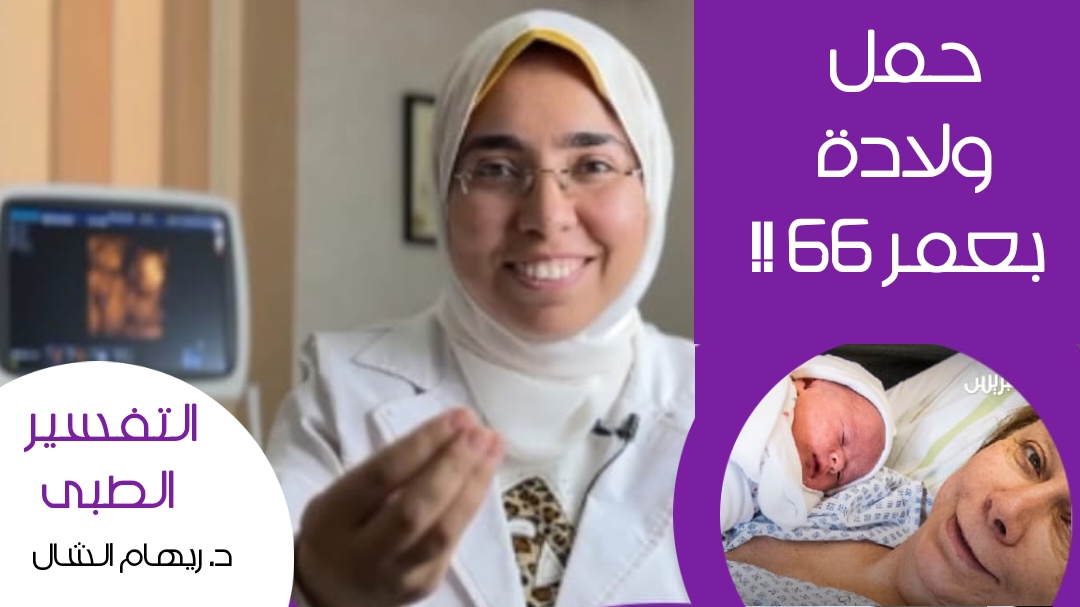
كيف حملت سيدة ألمانية في سن 66؟ القصة التي حيّرت العالم!

من فترة، انتشر خبر غريب جدًا على مواقع التواصل الاجتماعي والصحف العالمية: سيدة ألمانية عمرها 66 سنة، أنجبت طفلها العاشر! الناس كلها اتفاجئت، والأسئلة بدأت تنهال: إزاي؟ هل ممكن فعلاً سيدة في العمر ده تحمل طبيعي؟ مش المفروض إن سن اليأس بيبدأ من 50 أو 55 بحد أقصى؟ طب والدورة الشهرية؟ هل لسه شغالة في السن ده؟

السؤال وصل للدكتورة، وقالت إن الموضوع مش غريب على عيادات “طبيباتي”، لأن 30% من متابعاتها بعتوا يسألوا عن نفس الحالة. الخبر فعلًا كان صادم، مش بس للناس العادية، حتى الأطباء حوالين العالم اتفاجئوا بيه.

الغريب إن أطباء هذه السيدة قالوا إن الحمل حصل بشكل “طبيعي”! يعني من غير صعوبات كبيرة، ومن غير تدخلات طبية كبيرة زي ما الناس متوقعة. السيدة نفسها قالت إن الحمل تم طبيعي. بس الدكتورة وضّحت إنها بتحط كلام السيدة “بين قوسين”، لأن في كتير من الحالات بيعملوا حقن مجهري أو تلقيح صناعي وبيحبوا ما يقولوش لحد. وده شيء نحترمه.

الدكتورة وضحت كمان نقطة مهمة: هل الحمل الطبيعي أو غير الطبيعي ينقص من قيمة الأم أو الأب؟ طبعًا لا. الأهم إن في فعلاً حالات حصل فيها حقن مجهري فوق سن الستين! وذكرت إن في 2023، في ست خلفت توأم عندها 73 سنة!

طيب، هل الحمل يأثر على مخزون البويضات؟ بالعكس، الحمل بيأخر استهلاك البويضات، لأن التسعة شهور اللي السيدة حامل فيهم بيكون فيهم توقف تام للتبويض، وده بيحافظ على المخزون. ولو زادت عليهم سنتين رضاعة طبيعية، فده كمان وقت إضافي بدون تبويض. يعني بنتكلم في حوالي سنتين وتسعة شهور بدون استهلاك لمخزون المبيض!

وده ممكن يفسر إزاي السيدة الألمانية دي، بعد ما جابت 9 أولاد، قدرت تحمل في طفل عاشر في عمر 66. لأن جسمها فضل يحافظ على المخزون طول السنين دي. وبالذات لو كانت بترضّع طبيعي بعد كل طفل، فده بيوفر كتير من استهلاك المخزون.

بعض الناس قالت إن السيدة دي كان عندها “تكيس مبايض”، وده ساعد إنها تحافظ على مخزونها، لأن التكيس غالبًا ما يمنع التبويض المنتظم. لكن الدكتورة كان عندها تحفظ على التفسير ده، لأن من غير المنطقي إن واحدة عندها تكيس مبايض تحمل 10 مرات! ومع كده، وضّحت إن حالات التكيس فعلاً ممكن يكون عندها مخزون عالي، لكن ده لا يعني إنه هيفضل عالي للأبد.

كمان فيه نقطة مهمة: بعض السيدات لما يسمعوا إن عندهم تكيس ومخزون عالي، يطمنوا ويأجلوا الحمل، وده خطر! لأن مع الوقت المخزون بينقص فجأة، وبدون إنذار. فبتتحول الحالة من “تكيس ومخزون عالي” لـ “ضعف مخزون مبيض”، وده بيكون شيء محزن جدًا.

الدكتورة قالت إن الأرجح إن السيدة دي كانت عايشة حياة صحية، وده اللي خلى مخزونها يفضل قوي. وفعلاً، النظام الغذائي ونمط الحياة بيأثروا جدًا على الصحة الإنجابية.

وفي النهاية، رجعت الدكتورة لنقطة مهمة جدًا، وهي إن الحمل الطبيعي أو غير الطبيعي، ما ينقص من قيمة الأمومة أو الأبوة. الهدف إننا نحقق حلم الحمل، سواء كان طبيعي أو بمساعدة طبية.

وفي رسالة جميلة، ختمت الدكتورة كلامها بنصيحة: لا تضيعوا وقتكم، لا تأجلوا قرارات الحمل، وعيشوا حياتكم بشكل صحي. لأن الفرص ممكن تقل في لحظة. وطلبت من المتابعات يكتبوا رأيهم: إنتي مقتنعة بأي تفسير لحالة السيدة الألمانية؟ التفسير الأول اللي بيقول إنها حافظت على المخزون من خلال الحمل والرضاعة؟ ولا التفسير التاني اللي بيقول إنها كانت عندها تكيس مبايض؟

ولمتابعة كل المقالات الخاصة بتأخر الإنجاب وحلم الأمومة من هنا: https://youtu.be/HRJXjEe4GBE?si=0sXTP0uvfRMbS1lS
How Did a 66-Year-Old German Woman Get Pregnant? The Story That Shocked the World!

Some time ago, a very strange story went viral on social media and international news outlets: a 66-year-old German woman gave birth to her tenth child! Everyone was shocked, and questions started pouring in: How? Is it really possible for a woman at that age to get pregnant naturally? Isn’t menopause supposed to begin by 50 or 55 at the latest? And what about her menstrual cycle? Could it still be active at that age?

The question reached the doctor, and she said that the topic isn’t surprising in “Tabibaty” clinics, because 30% of her followers sent messages asking about the same case. The news was truly shocking—not just to regular people, but even doctors around the world were stunned.

The strange part is that the woman’s doctors claimed the pregnancy happened “naturally”! That means without major complications or medical interventions, as many would expect. The woman herself said it was a natural pregnancy. But the doctor explained that she takes the woman’s statement “with a grain of salt,” because in many cases, women undergo IVF or artificial insemination but choose not to disclose it. And that’s something we should respect.

To watch the full video, click here:

The doctor also emphasized an important point: Does it matter if the pregnancy is natural or medically assisted? Of course not. What matters is that there are indeed documented cases of IVF pregnancies over the age of sixty! She mentioned that in 2023, a woman gave birth to twins at 73 years old!

So, does pregnancy affect a woman’s egg reserve? On the contrary, pregnancy actually delays the depletion of egg reserves. During the nine months of pregnancy, ovulation comes to a complete halt, which helps preserve the ovarian reserve. And if you add two years of breastfeeding, that’s additional time without ovulation. We’re talking about approximately two years and nine months with no consumption of ovarian reserve!

This could explain how the German woman, after giving birth to nine children, was able to conceive a tenth child at the age of 66. Her body might have preserved her ovarian reserve over the years. Especially if she breastfed naturally after each child, that would significantly reduce the consumption of her reserve.

Some people speculated that this woman had polycystic ovary syndrome (PCOS), which might have helped her maintain her egg supply, since PCOS often leads to irregular ovulation. But the doctor expressed her reservations about that explanation—because it’s not logical for someone with PCOS to get pregnant ten times! That said, she acknowledged that women with PCOS can indeed have high ovarian reserves, but that doesn’t mean the reserve will stay high forever.

Another important point: Some women, after being told they have PCOS and high ovarian reserve, feel reassured and delay pregnancy—and that’s dangerous! Because the reserve can suddenly decrease without warning. The situation can shift from “PCOS and high reserve” to “low ovarian reserve,” which is deeply upsetting.

The doctor suggested that the most likely explanation is that this woman lived a healthy lifestyle, which helped maintain her strong ovarian reserve. In fact, diet and lifestyle have a huge impact on reproductive health.

In the end, the doctor circled back to a very important message: Whether a pregnancy is natural or medically assisted does not diminish the value of motherhood or fatherhood. The goal is to achieve the dream of parenthood, whether naturally or with medical help.

And with a beautiful message, the doctor concluded her talk with this advice:

Don’t waste time. Don’t delay pregnancy decisions. Live a healthy life. Because opportunities can disappear in a moment.

She also invited her viewers to share their opinions:

Which explanation do you believe about the German woman’s case?

• The first one: that she preserved her egg reserve through pregnancy and breastfeeding?

• Or the second one: that she had PCOS?

To follow all articles related to infertility and the dream of motherhood, click here:

From Your 30s to 40s: Steps to Protect Yourself from Hot Flashes and Boost Your Fertility

Some time ago, we released a video about hot flashes—one of the most common symptoms women face after menopause. We talked about the symptoms, the fatigue they can cause, and how we can try to reduce or even prevent them. Most of the comments were positive, and many amazing women started supporting each other with their information and experiences, which was truly heartwarming. But amidst all of that, one comment really caught my attention.

The comment said:

“Hot flashes have no cure, and all this talk is useless. When you reach menopause, come and tell me what you’ll do!”

As harsh as this comment was, it made me think. As a doctor, a coach, or even someone who tries to help others—we sometimes forget that we too will go through these stages. Maybe not now, but one day we’ll be in that exact same place.

And I remembered a story I read a long time ago, maybe when I was in first grade. It was about three sailors who were thrown onto an island after their ship sank. The people of the island had a tradition: anyone who came from the sea would be made king for a full year, and then they would throw him behind the mountain into a place full of wild beasts. The first sailor enjoyed the year and had fun, but when it ended, the sentence was carried out. The second did the same.

But the hero, Zujagar, did something different. He used his year to build a new life “behind the mountain.” He ordered the beasts to be killed, and he built a village, schools, and houses. So when the time came for his sentence, there were no beasts—there was a new world, full of hope and life. And he earned the right to live there forever.

To watch the full video on YouTube:

This story holds a powerful lesson: we must start preparing for our life “behind the mountain”—from now.

Hot flashes, menopause, the changes our bodies go through—these are not endings, they’re transformations. And if we prepare ourselves properly in advance, we can go through them smoothly, maybe even joyfully.

Some women reach this stage stronger, wiser, and happier. Why? Because they started working on themselves before it arrived. They began in their 30s—they changed their diets, started exercising, assessed their personal health, and learned what their bodies needed.

And here’s the question: “Do you know yourself?”

• Do you have hormonal imbalances?

• Is the diet you’re following actually right for you?

• Are the supplements you’re taking helpful—or could they be harmful?

• Is the exercise you’re doing really good for your body?

That’s why in our course, the first step is Personal Assessment. This is not a luxury—it’s a foundational step to understand “Where are we now?” and “Where are we headed?”

When someone says:

“I eat well and exercise, but I don’t know if it’s right for me,”

We say: “We need to look into it. Assess. Understand your body.”

There’s something called therapeutic nutrition—nutrition that’s tailored to your medical condition and hormones. And OB-GYNs play a major role because they understand the female body and hormones more than any other specialty.

Also, not all healthy food is suitable for everyone. One food might benefit one woman and harm another. A certain workout might strengthen your muscles but strain your joints. That’s why preparation needs to be personal—designed just for you.

And that’s also why we created this course—not just to talk, but to help each woman build her own world behind the mountain. A new life, with good health, mental balance, grace, and the best version of herself.

We don’t have to wait until we get hot flashes to start complaining.

Let’s start now.

Some women go through this phase with smiles and peace. Others struggle and suffer.

The difference is in the preparation.

The difference is in being ready.

And if you’re dealing with fertility issues, we’ve gathered all the topics related to delayed pregnancy in detailed lessons, filled with scientifically backed and organized information—to help you reach the dream of motherhood that you truly deserve:

Medications That Affect Fertility and May Delay Pregnancy: Be Cautious!

If you’re planning to get pregnant, it’s very important to be aware of certain medications that may affect fertility for both the husband and the wife.

Not every medication we take is safe during the conception phase—some may interfere with ovulation or reduce sperm quality.

Let’s take a look at the most important medications to be cautious about:

1. Stomach Medications like “Motilium” and Similar Drugs

Although they are used to regulate bowel movements, some of these medications can increase the prolactin hormone in the body, which may weaken ovulation or cause menstrual irregularities, ultimately affecting fertility.

If you are taking such medications, it’s crucial to consult your doctor and explore safer alternatives.

2. Immunosuppressants and Cortisone

People taking medications to treat autoimmune diseases (like lupus or rheumatoid arthritis), or those who have had organ transplants, often take immunosuppressive drugs.

These drugs may lower fertility as they affect hormonal balance and increase insulin resistance, which may weaken ovulation or negatively impact sperm production.

Watch the video here:

3. Anti-inflammatories and Aspirin

Non-steroidal anti-inflammatory drugs (NSAIDs) like aspirin can sometimes affect ovulation.

Although we occasionally prescribe them to improve blood flowrandom use or high doses may have the opposite effect.

This doesn’t mean they’re always harmful, but their use should be calculated and medically supervised.

4. Antidepressants

Most antidepressants may affect the brain centers that regulate hormones, leading to disturbed hormonal secretion necessary for ovulation or sperm production.

If you’re taking psychiatric medications, talk to your doctor about safe alternatives during the pregnancy planning phase.

5. Thyroid Medications

Whether you’re being treated for hyperthyroidism or hypothyroidism, the dosage must be carefully controlled.

Any imbalance in medication levels can cause prolactin disturbances or ovulation issues, ultimately affecting fertility.

6. Gym Hormones and Anabolic Steroids

Men who take muscle-building steroids or medications containing testosterone need to know that these substances signal the brain that the body doesn’t need to produce other hormones.

This can severely reduce or even stop sperm production.

7. Smoking and Excess Caffeine

We all know the harms of smoking, but it’s worth repeating:

Smoking and excessive caffeine intake can affect sperm quality and weaken ovulation.

So, it’s important to cut back or quit completely while planning for pregnancy.

8. Hormonal Hair Treatments

If you’re using hair treatments that contain estrogen, you should know that these may signal the brain to stop producing natural ovulation hormones, potentially leading to disrupted ovulation and delayed conception.

9. Chemotherapy and Radiation Therapy

Unfortunately, chemotherapy and radiation are among the most harmful treatments to fertility because they attack rapidly dividing cells, including those in the ovaries or testes.

It is absolutely essential to discuss fertility-preserving options with your specialist before starting these treatments.

10. Some “Natural” Herbs

Not every herb is safe!

Some herbs can affect hormones or ovulation.

Herbal medicines should always be taken under medical supervision, especially when planning for pregnancy.

Summary:

• Not all medications are safe during the conception phase.

Always consult a doctor before taking any medication, even if it seems simple or herbal.

• Ask yourself:

• Could this medication affect fertility?

• Does it have long-term effects on pregnancy?

And if you’re struggling with infertility, we’ve collected all relevant topics on delayed pregnancy in detailed lessons with scientific and structured information to help you reach the motherhood dream you truly deserve:

٧ علامات بتقول إن حملك ممكن يتأخر… ولازم تبدأي بالفحص بدري

سواء كنتي لسه بنوتة أو متزوجة حديثًا، في علامات كتير بنشوفها حوالينا يوميًا ممكن تكون مؤشر إن الحمل ممكن يتأخر شوية. العلامات دي ما ينفعش نتجاهلها، بالعكس، هي بتقولنا “انتبهوا”، وبتطلب مننا نبدأ الفحص بدري عشان نعرف المشكلة من بدري ونحلها قبل ما تكبر.

تعالي نبدأ سوا ونشوف إيه هم السبع علامات دي، وإزاي ممكن كل وحدة فيهم تبقى إشارة مهمة.

1. عدم انتظام الدورة الشهرية

أول علامة كلنا بنلاحظها بسهولة. الدورة الشهرية لما تيجي في مواعيد متغيرة وغير متوقعة، ده بيكون علامة على وجود خلل في الهرمونات. وده مش معناه إن مفيش أمل أو إنك عقيم، لا طبعًا، بس بيقولنا إن الجسم مش منتظم في التبويض، وده بيأثر على فرص الحمل. كمان، لو فيه دم بينزل ما بين الدورات، لازم نتحرك فورًا ونتابع مع طبيبة مختصة، حتى لو كنتي بنوتة. لأن المشاكل الهرمونية أوقات بتبدأ بدري.

2. إفرازات لبنية من الثدي (حتى في البنات)

لو لقيتي إفرازات لونها أبيض أو لبني بتنزل من الثدي، وخصوصًا لو كنتي لسه مش متزوجة، فده ممكن يكون دليل على خلل في الغدة النخامية. أوقات بيكون بسيط ويتحل بأدوية بسيطة، وأوقات بيحتاج فحص دقيق أكتر. بس الأهم إنك ما تتجاهليش العلامة دي وتستني لما تزيد، كل ما بدأنا بدري، كل ما العلاج كان أسهل.

3. ظهور الشعر في أماكن غير معتادة (هيرشويتزم أو ترايكوسيز)

بنات كتير بيكون عندهم شعر زايد، خصوصًا في بلاد الشرق الأوسط وسلالة البحر المتوسط. وده طبيعي إلى حد كبير. لكن لو الشعر بدأ يظهر في أماكن ذكورية زي منطقة الشنب أو الدقن أو الصدر، وبقى كثيف وأسود وخشن، يبقى لازم ننتبه. دي حالة اسمها “هيرشويتزم” وبتكون غالبًا بسبب اضطرابات هرمونية، وممكن فعلاً تؤثر على التبويض وتؤدي لتأخر الحمل. فالمتابعة مهمة جدًا هنا.

لمشاهدة الفيديو من هنا: https://youtu.be/ZuE4qI7Q3-8?si=LpcdjNioxmIn4_q9

4. الزوج المدخن

دي نقطة بنغفل عنها كتير. كتير يقولوا “ما هو أبونا وجدي كانوا بيدخنوا وخلفوا ٩ أولاد”. بس الحقيقة العلمية بتقول إن التدخين بيأثر سلبًا على جودة الحيوانات المنوية، وبيقلل الخصوبة. يعني حتى لو الحمل حصل، فرص الإجهاض أو التشوهات ممكن تزيد. فلو الزوج مدخن، لازم نراجع ده بجدية ونتكلم معاه بهدوء ونفكر في بدائل صحية.

5. ألم شديد وقت أو بعد الدورة الشهرية

الألم اللي بييجي وقت الدورة مش لازم يكون طبيعي لمجرد إننا اتعودنا عليه. فيه فرق بين شوية مغص خفيف، وبين ألم عنيف يخليكي ما تعرفيش تنامي أو تعيشي يومك. ولو الألم مستمر حتى بعد ما الدورة تخلص، فده احتمال كبير يكون بسبب بطانة الرحم المهاجرة. وهي حالة مش نادرة، وبتأثر على الخصوبة لو ما اتعالجتش في وقتها.

6. صعوبات العلاقة الزوجية

موضوع حساس، لكن مهم جدًا. في حالات كتير من تأخر الحمل بيكون سببها مشاكل في العلاقة الزوجية، سواء من جهة الزوج أو الزوجة. ممكن يكون ألم، أو توتر نفسي، أو حتى عدم معرفة كافية. وده ما فيهوش أي خجل. التوجه لطبيب متخصص في المجال ده بيحل المشكلة بسهولة، لكن السكوت عنها ممكن يعطل حلم الأمومة من غير داعي.

7. تصديق الخرافات والعادات القديمة

“اشربي الخلطة دي”، “لو نامت على ضهرها بعد الجواز يحصل حمل”، “لو دخل عليها وهي صايمة يحصل مشكلة”… للأسف، كتير من البنات بيقعوا في فخ الخرافات والعلاجات الشعبية اللي ملهاش أي أساس علمي. بل بالعكس، أوقات بيكون فيها ضرر. في حالات كتير وصلتنا بعد ما اتعالجوا عند ناس مش متخصصين واتناولوا خلطات أعشاب أثرت عليهم سلبًا. لو هتستخدمي أعشاب أو وصفات طبيعية، لازم تكوني تحت إشراف طبي حقيقي، لأن حتى الطب البديل ليه قواعده.

وفي النهاية…

دول كانوا السبع علامات اللي لازم تاخدي بالك منهم. لو لقيتي واحدة أو أكتر منهم موجودة عندك، متقلقيش. مش معناها إن الحمل مش هيحصل، لكن معناها إن لازم نبدأ نتحرك ونفحص. كل يوم بيعدي من غير متابعة ممكن يأخر الحلم شوية، لكن المتابعة المبكرة بتقربك من طريق الأمومة.

ولو بتاعني من تأخر الإنجاب، جمعنا لك هنا كل الموضوعات الخاصة بتأخر الحمل في دورس مفصلة بمعلومات علمية موثقة ومرتبة، علشان نساعدك توصلي لحلم الأمومة اللي تستحقيه: 

رسالة لكي من بطلات سبقوكي لتحقيق حلم أمومتهم – TBIBTY طبيبتي

من الثلاثين للأربعين: خطوات تحميك من الهبات الساخنة وتعزز خصوبتك

من فترة، كنا عاملين فيديو عن الهبّات الساخنة، واللي هي من أكتر الأعراض اللي بتواجه السيدات بعد انقطاع الدورة الشهرية. حكينا عن الأعراض والتعب اللي ممكن ييجي منها، وإزاي نحاول نخفف منها أو حتى نتفاداها. كانت التعليقات أغلبها إيجابية، وفي سيدات رائعين بدأوا يساعدوا بعض بمعلوماتهم وتجاربهم، وده شيء جميل جدًا. لكن وسط كل ده، ظهر تعليق شدّني جدًا.

التعليق كان بيقول:

الهبات الساخنة ملهاش علاج، والكلام اللي بيتقال ده مش بيفيدلما توصلي لسن انقطاع الدورة، تعالي قوليلي هتعملي إيه؟!”

الكلام ده على قد ما كان جارح، لكنه خلاني أفكر. أنا كطبيبة أو مدربة أو حتى أي شخص بيساعد غيره، ساعات بننسى إننا إحنا كمان هنمر بنفس المراحل. يمكن مش دلوقتي، بس يوم من الأيام هنكون في نفس المكان.

وفاكرة وقتها، افتكرت قصة قريتها زمان، يمكن من وأنا في أولى ابتدائي. كانت عن ثلاثة بحارة رماهم البحر على جزيرة بعد ما مركبهم غرقت. أهل الجزيرة كان عندهم تقليد: أي حد ييجي من البحر، يخلوه ملك سنة كاملة، وبعدها يرمُوه وراء الجبل في مكان فيه وحوش ضارية. أول بحّار استمتع بالسنة وانبسط، لكن لما خلصت، اتنفذ فيه الحكم. والتاني عمل زيه.

لكن البطل “زجاجار” عمل حاجة مختلفة. استخدم السنة بتاعته في بناء حياة جديدة “وراء الجبل”. أمر بقتل الوحوش، وبنى قرية ومدارس وبيوت. فلما جت لحظة الحكم عليه، ماكانش فيه وحوش. كان فيه عالم جديد، فيه أمل، فيه حياة، واستحق إنه يعيش فيه للأبد.

لمشاهدة الفيديو كامل من اليوتيوب:

 https://youtu.be/Ai3TzHJh45s?si=Pgjs_mk3mXqYIU2x

القصة دي فيها درس عظيم: إننا لازم نبدأ نجهّز لحياتنا “وراء الجبل” من دلوقتي.

الهبّات الساخنة، انقطاع الدورة، التغييرات اللي بتحصل في جسمنا—دي كلها مش نهايات، دي تحوّلات. ولو حضرنا نفسنا صح من بدري، هنعدّيها بسلام، يمكن حتى بفرح.

فيه سيدات بيوصلوا للمرحلة دي وهما أقوى، أنضج، وأسعد. ليه؟ لأنهم اشتغلوا على نفسهم من قبل ما توصلهم. بدأوا من التلاتينات، غيروا أكلهم، لعبوا رياضة، عملوا تقييم شخصي لحالتهم، وفهموا جسمهم عايز إيه.

وهنا السؤال: “إنتِ عارفة نفسك؟”

• هل عندك اضطرابات هرمونية؟

• هل النظام الغذائي اللي ماشية عليه مناسب ليكِ؟

• هل الفيتامينات اللي بتخديها مفيدة ولا ممكن تضر؟

• هل الرياضة اللي بتعمليها فعلاً صح ليكِ؟

علشان كده في الكورس بتاعنا، أول خطوة هي التقييم الشخصي – أو الـ Personal Assessment. ده مش رفاهية، دي خطوة أساسية علشان نعرف “إحنا فين؟” و”رايحين على فين؟”

لما واحدة تقول:

أنا باكل كويس وبعمل رياضة، بس معرفش ده مناسب ليا ولا لأ؟

بنقولها: “محتاجين نشوف، نقيّم، نفهم جسمك.”

فيه حاجة اسمها التغذية العلاجية، تغذية مرتبطة بالحالة الطبية والهرمونات. وفيه دور كبير لأطباء النساء لأنهم فاهمين الجسم الأنثوي والهرمونات أكتر من أي تخصص تاني.

وبرضو، مش كل أكل صحي مناسب لكل الناس. ممكن أكلة مفيدة لسيدة، تضر التانية. ممكن رياضة تقوي عضلاتك، لكن تجهد مفاصلك. علشان كده، التحضير لازم يكون شخصي، مخصوص ليكِ.

وعلشان كده كمان، إحنا عاملين الدورة دي مش بس علشان نتكلم، لكن علشان نجهز كل واحدة إنها تبني عالمها وراء الجبل. حياة جديدة، بصحة جيدة، بنفسية متزنة، بشكل مشرف، بأفضل ما يمكن.

مش لازم نوصل للهبّات الساخنة ونبدأ نشتكي. نبدأ من دلوقتي.

فيه سيدات بتعدّي المرحلة دي بضحكة وراحة، وفيه اللي بتتعب وبتتألم. الفرق في التحضير. الفرق إننا نكون مستعدين.

ولو بتاعني من تأخر الإنجاب، جمعنا لك هنا كل الموضوعات الخاصة بتأخر الحمل في دورس مفصلة بمعلومات علمية موثقة ومرتبة، علشان نساعدك توصلي لحلم الأمومة اللي تستحقيه: 

رسالة لكي من بطلات سبقوكي لتحقيق حلم أمومتهم – TBIBTY طبيبتي

Are there signs that indicate the uterus is ready for pregnancy?

Many women ask: “Is it possible to know if the uterus is ready for pregnancy?” Some say they can feel it themselves and talk about experiences or information they heard from others or on social media.

But is this true? And are there actually medical signs that confirm the uterus is ready?

Dr. Reham El Shal, specialist in obstetrics, gynecology, IVF, and infertility, shares:

Once a woman came to my clinic and said,

“I have 3 children, and despite delayed periods, I’m sure I’m not pregnant!”

I asked her, “How do you know?”

She confidently replied, “I can feel it; I know when the uterus is ready or not!”

This made me think and opened an important discussion about this common belief.

In medicine, there is no such thing as “clear signs of the uterus being ready for pregnancy” in the way people talk about it.

The truth is: if the menstrual cycle is regular, the uterus is ready every month to receive a pregnancy, provided there is proper ovulation and no problems with the uterus or ovaries.

From the first day of the cycle, the body starts producing a hormone called “estrogen,” which rebuilds the uterine lining after the old lining sheds. This lining is where the fertilized egg is supposed to implant for pregnancy to occur.

The thicker and healthier this lining is, the better the chances of pregnancy. You can imagine it like a comfortable mattress where the baby can settle if pregnancy happens. If pregnancy doesn’t occur, this lining sheds as the menstrual period.

There is also a type of discharge that appears at certain times of the month, which plays a very important role:

It cleans the uterus, protects the cervix from bacteria, and helps the body prepare for any chance of pregnancy.

If you want to watch the video where we explain all this, here it is:

Back to the woman who said she wasn’t pregnant… the surprise? She actually was pregnant, even in her second month!

The bigger surprise was that she believed if the uterus “dropped down” there was no pregnancy, and if it “lifted up” then there was pregnancy!

This, of course, has no scientific basis.

Unfortunately, these misconceptions are widespread, and people share them online and on social media as facts. Some even argue with doctors using videos from non-specialists on YouTube or Facebook.

That’s why we must always remember:

“The ignorant asserts, the knowledgeable doubts, and the wise refrains.”

We live in a fast-paced era, but we shouldn’t believe everything we hear. Always refer to the correct sources and consult specialists.

In conclusion:

The uterus is ready for pregnancy in any regular cycle, as long as there is ovulation and no health issues.

So don’t look for vague signs or believe everything said in groups. Listen to your body, but also ask your doctor and do tests if needed.

If you are struggling with infertility, we have gathered here all important topics about delayed pregnancy, in detailed lessons with reliable medical information, to help you reach the motherhood dream you deserve:

هل في علامات تدل إن الرحم جاهز للحمل؟

سيدات كتير بيسألوا: “هل ممكن أعرف لو الرحم مستعد للحمل؟”، وفي بعضهم بيقولوا إنهم يقدروا يحسّوا بده بنفسهم، وبيتكلموا عن تجارب أو معلومات سمعوها من ناس أو على السوشيال ميديا.

بس هل ده حقيقي؟ وهل في علامات طبية فعلًا بتأكد إن الرحم جاهز؟

تقول دكتورة ريهام الشال اخصائي طب وجراحات النساء والتوليد والحقن المجهري وتأخر الإنجاب، مرة جاتلي سيدة في العيادة وقالتلي:

“أنا عندي 3 أولاد، ورغم تأخر الدورة، متأكدة إن مفيش حمل!”

سألتها: “عرفتي منين؟”

قالتلي بثقة: “أنا بحس، وبعرف إمتى الرحم بيكون مستعد أو لأ!”

الكلام ده خلاني أفكر، وفتح باب لنقاش مهم عن المفهوم المنتشر ده.

في الطب، مفيش حاجة اسمها “علامات واضحة لاستعداد الرحم للحمل” بالطريقة اللي الناس بتتكلم بيها.

الحقيقة إن الرحم، لو الدورة الشهرية منتظمة، بيكون جاهز كل شهر لاستقبال الحمل، بشرط وجود تبويض سليم ومفيش مشاكل في الرحم أو المبيض.

من أول يوم في الدورة، الجسم بيبدأ يفرز هرمون اسمه “الاستروجين”، وهو اللي بيكوّن بطانة الرحم من جديد بعد ما القديمة تنزل. البطانة دي هي المكان اللي البويضة المخصبة المفروض تتزرع فيه علشان يحصل حمل.

كل ما كانت البطانة دي سميكة وصحية، كل ما كانت فرصة الحمل أحسن. تقدري تتخيليها زي مرتبة مريحة، الطفل يقدر يستقر فيها لو الحمل حصل. ولو مفيش حمل، البطانة دي بتنزل في صورة دورة شهرية.

كمان في نوع من الإفرازات بيخرج في أوقات معينة من الشهر، وده ليه دور مهم جدًا:

ينظف الرحم، يحمي عنق الرحم من البكتيريا، ويساعد الجسم يستعد لأي فرصة للحمل.

لو حابة تشوفي الفيديو اللي شرحنا فيه ده كله، تفضلي من هنا:

نرجع للسيدة اللي قالت إنها مش حامل… المفاجأة؟ كانت حامل فعلًا، وفي الشهر التاني كمان!

والمفاجأة الأكبر إنها كانت مقتنعة إن الرحم لو “نازل لتحت” مفيش حمل، ولو “رافع لفوق” يبقى في حمل!

وده طبعًا كلام ملوش أي أساس علمي.

للأسف، المفاهيم دي منتشرة جدًا، والناس بتتناقلها على الإنترنت والسوشيال ميديا كأنها حقائق، وفي ناس بتجادل بيها حتى الأطباء، معتمدين على فيديوهات من ناس مش متخصصة على يوتيوب أو فيسبوك.

وعشان كده لازم نفتكر دايمًا:

“الجاهل يؤكد، والعالم يشك، والعاقل يتروى.”

إحنا في عصر السرعة، بس مش لازم نصدق أي كلام نسمعه. دايمًا ارجعي للمصدر الصح، واستشيري أهل التخصص.

في النهاية:

الرحم في أي دورة منتظمة بيكون جاهز للحمل، طالما في تبويض ومفيش مشاكل صحية.

فبلاش ندور على إشارات غامضة، أو نصدق كل اللي بيتقال في الجروبات. اسمعي جسمك، بس كمان اسألي الطبيب واعملي تحاليل لو محتاجة.

ولو بتعاني من تأخر الحمل، جمعنالك هنا كل المواضيع المهمة عن تأخر الإنجاب، في دروس مفصلة بمعلومات طبية موثوقة، علشان نساعدك توصلي لحلم الأمومة اللي تستحقيه:

رسالة لكي من بطلات سبقوكي لتحقيق حلم أمومتهم – TBIBTY طبيبت

Ovulation Signs You Need to Know to Boost Your Chances of Getting Pregnant

If you’re planning to get pregnant, it’s really important to understand when ovulation happens. This is the time when your fertility is at its highest, and your chances of conceiving increase significantly.

According to Dr. Riham Elshal, a specialist in obstetrics, gynecology, and infertility, here are the most important signs that can help you predict your ovulation days more clearly.

What Is Ovulation?

Ovulation is when a mature egg is released from the ovary and becomes ready for fertilization. This egg only survives for a short period, so knowing your ovulation timing accurately can increase your chances of pregnancy if you have intercourse during that window.

Watch the video here:

How Can You Identify Ovulation Days?

The first thing you can do is monitor your body and observe the changes that happen every month. Write them down in a notebook. Here are some of the signs you might notice:

• The number of days in your menstrual cycle, starting from the first day of bleeding to the beginning of the next cycle.

• A slight rise in body temperature (around half a degree Celsius).

• Cramping in the pelvic area, known as “ovulation pain.”

• A noticeable increase in vaginal discharge — it becomes clearer and more slippery.

• Breast tenderness or swelling.

• Mood swings or heightened senses such as smell or taste.

• An increase in appetite.

• Light spotting outside of your menstrual period.

By tracking these symptoms every month, you’ll begin to notice a pattern in your body, which will help you predict ovulation more accurately over time.

Is There a More Accurate Method?

Yes. You can use an at-home ovulation test, which is available at pharmacies. It’s best to start using it around day 12 of your cycle for about five days, depending on how regular your cycle is.

Use your first morning urine sample for more accurate results.

If the second line on the test strip is as dark as or darker than the control line, that’s a sign that ovulation is near or happening.

What If You Don’t Notice Any Symptoms or Get a Negative Test Result?

That doesn’t necessarily mean you’re not ovulating. Sometimes the signs are subtle.

The most accurate way to assess ovulation is through ultrasound follicular tracking at a gynecologist’s clinic. It’s a medically approved method, though not always accessible to everyone.

When Does Ovulation Typically Happen?

• If your cycle is short (e.g. 24 days), ovulation may occur between day 10 and day 12.

• If your cycle is long (e.g. 32 days), ovulation may happen around day 17 or 18.

But remember, every body is different, and there’s no one-size-fits-all rule.

Final Advice

Studies show that around 68% of women get pregnant within the first three months of marriage, and the rate rises to 81% after six months.

Ovulation is important, but it’s not the only factor affecting pregnancy. Other factors need to be aligned as well.

If time passes and pregnancy hasn’t occurred despite tracking ovulation, it might be time to see a doctor for a detailed check-up that considers your physical, emotional, and social health.

And if you’re experiencing delayed conception, we’ve gathered all the related topics in detailed, scientifically backed lessons to help guide you toward your motherhood journey that you truly deserve:

3 Ways to Know You’re Pregnant

A Common and Important Question:

“Doctor, how many days after my period can I know if I’m pregnant?”

The answer isn’t the same for everyone—but it becomes clear once you understand your body.

Let’s break down when you can take a pregnancy test and the differences between each type.

First: How Can You Tell If You’re Pregnant?

There are three main ways to detect pregnancy, according to Dr. Riham ElShal, OB/GYN, IVF specialist, and fertility consultant:

1. Digital Blood Pregnancy Test (Beta HCG Digital):

  • Can detect pregnancy up to a week before your period is due.
  • However, it’s not necessary in all cases, and not recommended unless under medical supervision, as it can lead to anxiety or unnecessary stress.

2. Standard Blood Pregnancy Test:

  • Can be done one day after a missed period.
  • Highly accurate, and the result is usually clear and reassuring.

3. Home Pregnancy Test (Urine Test):

  • Best taken seven days after a missed period, especially if you have a regular ovulation cycle.
  • It’s quick and simple, but if taken too early, it might give an inaccurate result.

📺 Watch the video here:

Why Is It Important to Wait for the Right Time?

The body needs time to produce enough pregnancy hormone (HCG) to be detected.

If you take the test too early, you may get a false negative, even if you’re actually pregnant.

What If the Result Is Negative, but You Feel Pregnant?

This is not unusual—it happens to many women.

We explained this in detail in a special lesson, discussing why you might feel pregnancy symptoms even if the test is negative, and what step to take next.

Proper timing and follow-up make a big difference.

If You Want to Feel Reassured:

  • You can take a standard blood test one day after your missed period.
  • Or take a home urine test seven days after your missed period—when you’re calm and relaxed.
  • If things are still unclear, you’re welcome to book an online consultation, and we’ll decide together what’s best for you.

If You’re Struggling with Delayed Pregnancy:

We’ve compiled all the topics related to delayed conception into detailed lessons with scientifically backed, organized information to help you on your journey to the motherhood you deserve: